Introduction: Discovering the Magic of Inventive LWMFCrafts
In a world increasingly dominated by digital screens and mass-produced goods, there exists a creative revolution quietly transforming how families connect, learn, and express themselves. This movement, known as Inventive LWMFCrafts, represents far more than simple arts and crafts—it embodies a philosophy where imagination meets sustainability, where everyday materials become extraordinary treasures, and where the joy of making something with your own hands becomes a cherished family tradition . Whether you are a seasoned crafter seeking fresh inspiration or a complete beginner wondering where to start, the world of inventive lwmfcrafts welcomes you with open arms and endless possibilities.
The beauty of this creative approach lies in its remarkable accessibility. You do not need expensive equipment, specialized training, or a dedicated studio space to participate in the inventive lwmfcrafts movement. What you truly need is curiosity, a willingness to experiment, and the understanding that perfection is never the goal—the process itself holds the real magic . From transforming discarded cardboard boxes into whimsical play structures to turning smooth river stones into personalized garden markers, inventive lwmfcrafts proves that creativity flourishes when we look at ordinary objects through fresh eyes. The movement has gained significant momentum as families increasingly seek screen-free activities that build lasting memories while developing essential skills in children and adults alike .
At its heart, inventive lwmfcrafts celebrates the beautiful fusion of tradition and innovation. The acronym “LWMF” itself, while often associated with the LookWhatMomFound creative community, represents a broader ethos that honors legacy techniques while embracing modern materials and approaches . This philosophy encourages crafters to respect time-honored skills—whether woodworking, metalworking, or textile arts—while fearlessly experimenting with new materials and technologies that expand what is possible. The result is a vibrant, inclusive creative space where a handmade wooden toy can incorporate subtle elements of modern design, where a traditional quilt might use sustainably sourced fabrics, and where every creation tells a unique story of its maker .
Throughout this comprehensive guide, we will explore the many dimensions of inventive lwmfcrafts, from its core principles and benefits to practical projects you can start today. We will delve into the importance of sustainable crafting, examine how these activities support child development, and provide solutions for common challenges like managing mess and finding time in busy schedules. By the end, you will understand why inventive lwmfcrafts has become more than just a hobby—it is a meaningful way to build connections, develop skills, and contribute to a more sustainable world, one handmade project at a time.
What Exactly Is Inventive LWMFCrafts?
Understanding inventive lwmfcrafts requires looking beyond the simple definition of arts and crafts. This creative movement represents a comprehensive approach to making that prioritizes accessibility, sustainability, and personal expression above all else. At its most fundamental level, inventive lwmfcrafts is about recognizing the creative potential hidden in everyday materials and developing the confidence to transform them into something meaningful and beautiful . Unlike traditional craft models that often rely on specific kits or prescribed patterns, this philosophy encourages improvisation, experimentation, and the development of individual style.
The core ethos of inventive lwmfcrafts rests on several interconnected principles that guide practitioners in their creative journey. First and foremost is the commitment to accessibility—the belief that creative expression should never be limited by budget or resources. This is why so many inventive lwmfcrafts projects focus on upcycling and repurposing items that might otherwise end up in landfills . Empty glass jars become enchanting lanterns, old magazines transform into vibrant paper flowers, and fabric scraps find new life as personalized bookmarks or tote bags. This resourcefulness not only makes crafting affordable but also instills important values about sustainability and mindful consumption.
Another defining characteristic of inventive lwmfcrafts is its emphasis on the creative process over the final product. In a culture often obsessed with perfection and instant gratification, this approach offers a refreshing alternative. When you engage in inventive lwmfcrafts, you are encouraged to enjoy the journey—the feel of materials in your hands, the satisfaction of solving problems, and the joy of seeing an idea take shape . Mistakes are not failures but opportunities for learning and discovery. This process-oriented mindset proves particularly valuable for children, who develop resilience, creative thinking, and problem-solving skills through hands-on making .
The movement also draws strength from its recognition of crafting as a meaningful social and family activity. In an era when families often struggle to find quality time together away from screens, inventive lwmfcrafts provides a natural opportunity for connection . Working side by side on a project encourages conversation, cooperation, and the sharing of skills across generations. Parents discover new things about their children, siblings learn to collaborate, and everyone benefits from the shared sense of accomplishment when a project is complete. This social dimension explains why inventive lwmfcrafts has found such resonance among parents seeking to build stronger family bonds while developing important life skills in their children.
For those seeking a deeper understanding of the LWMF identifier, it is worth noting that this term has multiple interpretations within the crafting community. While some sources associate it with the LookWhatMomFound creative platform, others interpret it as representing core values like “Legacy, Wonder, Modernity, and Form” . Rather than adhering to a single definition, the beauty of inventive lwmfcrafts lies in its flexibility—the term has evolved to encompass a wide range of creative practices united by a shared commitment to making, learning, and growing through hands-on creation. This openness means that whether you approach crafting as a parent looking for activities to share with your children, an environmentally conscious maker seeking sustainable alternatives, or simply someone who enjoys the satisfaction of creating something with your hands, there is a place for you within the inventive lwmfcrafts community.
The Core Pillars of Inventive LWMFCrafts
To truly appreciate the depth and richness of inventive lwmfcrafts, it helps to understand the foundational pillars that support this creative philosophy. These principles guide practitioners in their work and distinguish this movement from more conventional approaches to crafting. Each pillar represents a commitment to values that make inventive lwmfcrafts not just a hobby but a meaningful way of engaging with the world around us.
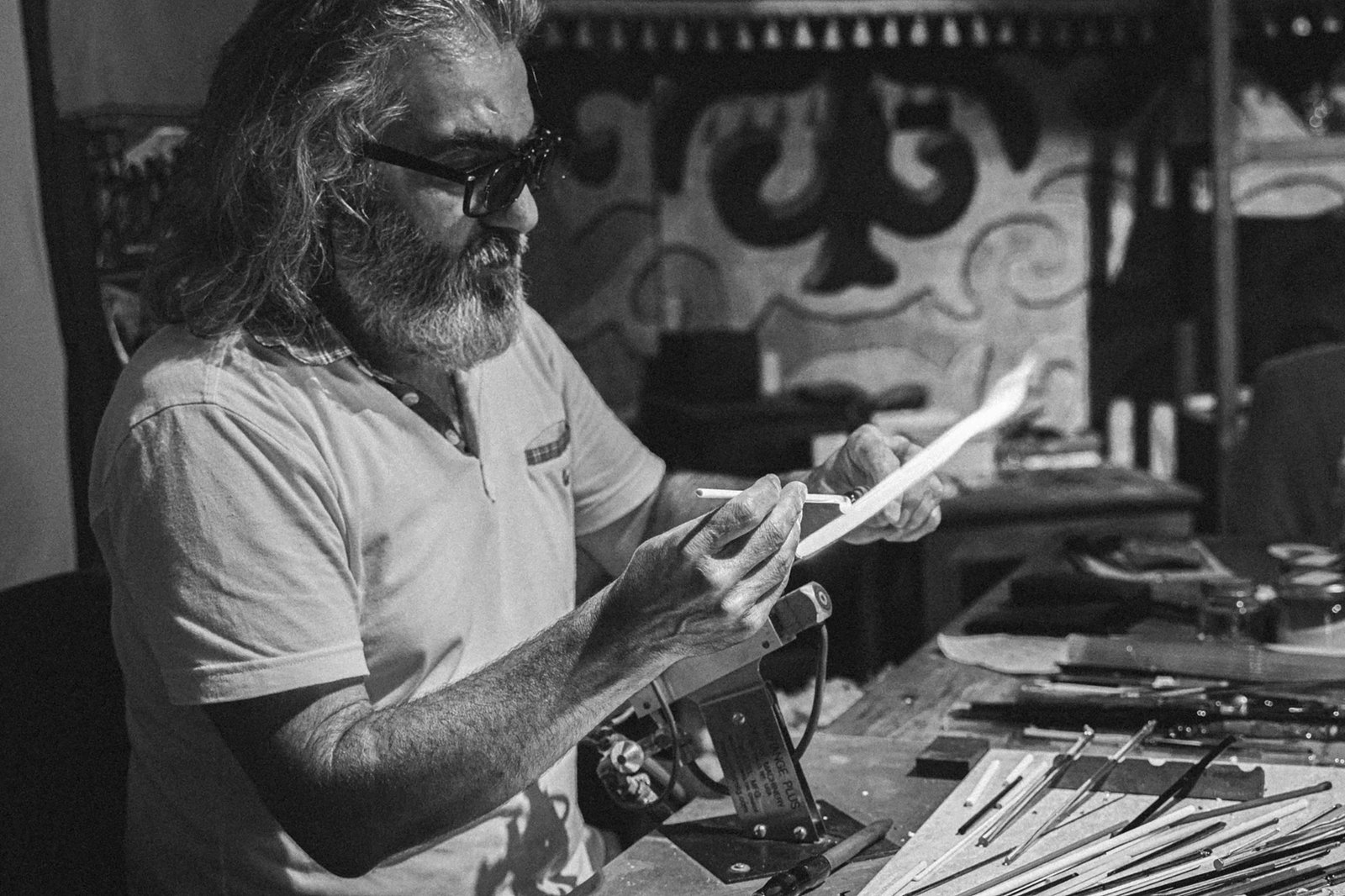
The first pillar, and perhaps the most essential, is the celebration of legacy and traditional skills . Inventive lwmfcrafts does not dismiss or replace traditional craftsmanship but rather honors it as a foundation upon which to build. Whether working with wood, metal, textiles, or clay, practitioners are encouraged to learn and respect time-honored techniques that have been refined over generations . This might involve mastering basic joinery in woodworking, understanding the properties of different metals in metalcraft, or learning traditional quilting patterns in textile work. However, this respect for tradition is not about rigid adherence to the past. Instead, it provides a solid base from which to innovate, allowing makers to understand why certain techniques work before they experiment with new approaches. This fusion of old and new creates pieces that feel both grounded and forward-looking, honoring the past while embracing the future.
The second pillar, wonder, infuses inventive lwmfcrafts with joy and imagination . This principle acknowledges that crafting should never become merely mechanical or routine but should consistently spark curiosity and delight. Projects designed with wonder in mind often include elements of surprise, playfulness, or interactive features that engage both maker and user. A simple wooden toy might incorporate moving parts that fascinate a child, a piece of wall art could use optical illusions to capture attention, or a functional item like a planter might feature unexpected design elements that make people smile. This emphasis on wonder is particularly important when crafting with children, as it keeps them engaged and encourages them to approach projects with enthusiasm rather than obligation. For adults, wonder provides a welcome antidote to the routine of daily life, offering moments of creative discovery that refresh the spirit.
The third pillar, modernity, embraces the innovative use of new materials, tools, and technologies . Far from rejecting contemporary advances, inventive lwmfcrafts welcomes them as opportunities to expand creative possibilities. This might mean incorporating sustainable materials like bio-resins or recycled composites, using modern tools that increase precision and efficiency, or even integrating elements like LED lighting or sensors into handmade objects. The key distinction is that technology serves the craft rather than replacing it—modernity enhances the maker’s capabilities without diminishing the handmade quality that gives these creations their special character. This balanced approach allows inventive lwmfcrafts to remain relevant and exciting, appealing to makers who appreciate both traditional craftsmanship and contemporary innovation.
The fourth and final pillar, form, emphasizes the importance of thoughtful design and functionality . In inventive lwmfcrafts, beauty and usefulness are never mutually exclusive; the most successful projects achieve both. A handcrafted item should not only be aesthetically pleasing but also serve its intended purpose effectively and durably. This commitment to form requires careful planning and attention to detail, whether designing a piece of furniture that must withstand daily use or creating a decorative object that enhances its surroundings. Practitioners consider factors like ergonomics, material selection, and structural integrity alongside visual appeal, recognizing that truly great craftsmanship addresses all these aspects. The result is work that feels complete and satisfying, objects that people want to use and treasure for years to come.
Why Inventive LWMFCrafts Matters: Benefits for Families and Individuals
The growing popularity of inventive lwmfcrafts reflects its profound impact on individuals and families who embrace this creative approach. Beyond the obvious joy of making something with your hands, engaging in inventive lwmfcrafts offers a remarkable range of benefits that touch virtually every aspect of personal development and family life. Understanding these advantages helps explain why so many people are incorporating creative projects into their regular routines and why educators and child development specialists increasingly recommend hands-on making activities.
For parents and children alike, inventive lwmfcrafts provides an invaluable opportunity to build stronger relationships through shared creative experiences . When families craft together, they create a space for natural, unhurried conversation that often leads to meaningful connections. Children share their ideas and feelings more freely when their hands are busy, and parents gain insight into their children’s thoughts and personalities in ways that structured activities rarely allow. These shared creative moments become cherished memories, building a foundation of trust and understanding that strengthens family bonds for years to come. The cooperative nature of many projects also teaches valuable lessons about teamwork, patience, and mutual support as family members help each other overcome challenges and celebrate successes.
The developmental benefits for children engaging in inventive lwmfcrafts are particularly significant, especially in an era of increasing screen time and sedentary entertainment . Regular crafting activities help children develop fine motor skills and hand-eye coordination through precise actions like cutting, gluing, threading, and assembling. These physical skills translate to improved handwriting, better athletic performance, and greater confidence in manipulating objects. Beyond physical development, crafting nurtures crucial cognitive abilities including problem-solving, spatial awareness, and creative thinking. When a child figures out how to make a paper structure stand upright or how to create a specific color by mixing paints, they are engaging in higher-order thinking that strengthens their intellectual capabilities in natural, enjoyable ways.
For adults, engaging in inventive lwmfcrafts offers powerful mental health benefits that deserve recognition . The focused attention required for hands-on making provides a form of mindfulness, drawing the mind away from anxieties and into the present moment. This meditative quality of crafting has been shown to reduce stress, lower cortisol levels, and improve overall emotional well-being. The sense of accomplishment that comes from completing a project, no matter how small, boosts confidence and provides tangible evidence of one’s capabilities. For adults who spend their days in abstract or digital work, the concrete, physical nature of crafting offers a satisfying counterbalance, allowing them to engage with the world in a direct, tangible way that feels deeply fulfilling.
The educational value of inventive lwmfcrafts extends well beyond traditional arts education . Through carefully chosen projects, children can learn mathematics through measuring and counting, develop reading comprehension by following instructions, explore scientific concepts through experimentation with materials, and build vocabulary by learning the names of tools and techniques. Unlike formal lessons that can feel abstract or disconnected from real life, crafting makes learning concrete and immediately relevant. When a child measures fabric for a sewing project or counts beads for a bracelet, mathematics has practical purpose. When they follow step-by-step instructions to assemble a project, they are practicing crucial reading and sequencing skills. This integration of learning and making creates educational experiences that are both effective and genuinely enjoyable.
Getting Started with Inventive LWMFCrafts: Essential Materials and Tools
Beginning your inventive lwmfcrafts journey does not require expensive supplies or a dedicated workshop. In fact, the beauty of this creative approach is that it encourages using what you already have, transforming everyday items into craft materials . However, having a basic collection of reliable tools and supplies will make your projects easier and more enjoyable. This section provides guidance on building your creative toolkit without breaking the bank, helping you move from inspiration to creation with confidence.
Your first step should be to look around your home with fresh eyes, identifying items that could become craft materials. Cardboard boxes of all sizes are invaluable for everything from simple picture frames to elaborate play structures. Glass jars, from small spice containers to large pickle jars, become lanterns, storage containers, or vases. Old magazines and newspapers provide colorful paper for collages, paper flowers, and decoupage projects. Fabric scraps from worn clothing or leftover sewing projects can be transformed into bookmarks, tote bags, or decorative elements. Even natural items like smooth stones, fallen leaves, and pinecones collected during walks offer wonderful crafting possibilities . Training yourself to see creative potential in ordinary objects is perhaps the most important skill for successful inventive lwmfcrafts.
For basic tools, a well-chosen collection serves many projects without taking up excessive space or budget. A good pair of scissors, ideally one for paper and one for fabric, handles most cutting needs . A craft knife with replaceable blades allows for more precise cutting when needed. Rulers and measuring tapes are essential for accurate work, and a cutting mat protects your work surface. Glue comes in many forms appropriate for different materials—glue sticks work well for paper crafts, while white glue, hot glue, and fabric glue each have their specialized uses. Basic painting supplies including acrylic paints, brushes, and containers for water are versatile additions. As you progress, you might add specialized tools like a sewing machine, woodworking tools, or jewelry-making pliers, but these are certainly not necessary for starting your creative journey .
Organizing your supplies makes crafting more enjoyable and encourages regular creative activity. Dedicate a box, drawer, or shelf to your craft supplies so materials are easily accessible when inspiration strikes. Clear containers help you see what you have, preventing duplicate purchases and reminding you of available materials. Sort supplies by type—paper, fabric, tools, paints, adhesives—so you can quickly find what you need. Many crafters find it helpful to keep a project journal or notebook where they sketch ideas, record techniques, and plan future projects. This practice not only improves your skills through reflection but also provides a record of your creative journey that can be inspiring to revisit .
For families with children, consider creating a designated craft space that makes materials accessible while containing the inevitable mess . A table covered with newspaper or a plastic tablecloth provides a suitable work surface. Keep wet wipes, paper towels, and cleanup supplies nearby to make tidying easier. Designate a container for scraps that can be reused or recycled. Establish simple guidelines about tool safety and material use appropriate for your children’s ages. Remember that the goal is to make crafting easy and enjoyable, not to create stress about cleanliness or organization. With practice, you will develop systems that work for your family’s particular needs and space constraints.
Creative Project Ideas to Begin Your Inventive LWMFCrafts Journey
Now that you understand the philosophy and have gathered basic supplies, it is time to explore some specific projects that embody the spirit of inventive lwmfcrafts. These ideas are designed to be accessible for beginners while offering room for creativity and personal expression. Each project demonstrates the core principles of using everyday materials, emphasizing process over perfection, and creating objects that bring beauty or utility to your life .
Paper Flower Wall Art
This versatile project transforms colored paper or old magazines into beautiful, long-lasting floral arrangements that brighten any room. Start by cutting paper into circles ranging from four to eight centimeters in diameter. Fold each circle in half three times to create petal shapes, then arrange six to eight petals in a circular pattern, gluing them onto a cardboard base. Layer smaller petals on top of larger ones to add depth and dimension. Finish each flower with a button or small contrasting paper circle as the center. Create a cluster of five to seven flowers and arrange them across a larger panel to make a stunning wall hanging . This project works wonderfully with children, who can practice scissor skills, color coordination, and creative composition while producing something beautiful to display.
Mason Jar Fairy Lights
Transform ordinary glass jars into magical lighting fixtures that create warm, inviting atmosphere in any room. Clean your jars thoroughly and remove labels. Paint the exteriors with translucent colors or leave them clear for a more classic look. Add battery-powered LED lights inside the jar, securing the battery pack with tape or letting it rest at the bottom. Decorate the exterior with ribbons, lace, or natural twine for added charm . These lights make wonderful bedroom decorations for children, providing comforting illumination that they created themselves. They also work beautifully as centerpieces for special occasions or as thoughtful handmade gifts. The combination of simple materials with functional lighting demonstrates how inventive lwmfcrafts enhances everyday objects with handmade beauty.
Natural Stone Painting
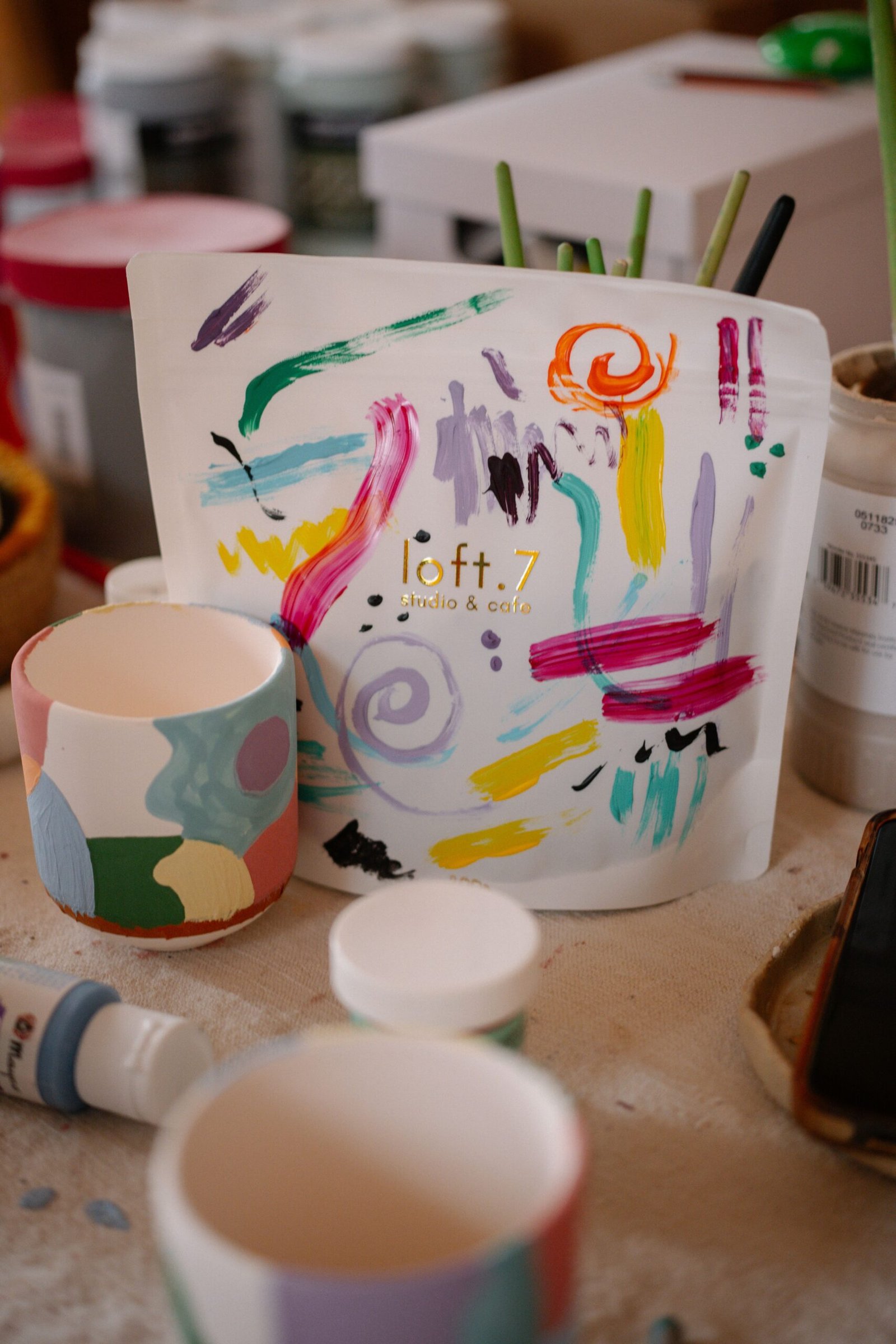
Collect smooth stones during walks in nature, then transform them into colorful decorative items or practical garden markers. Wash and dry your stones thoroughly before beginning. Apply a white base coat and allow it to dry completely. Paint your chosen designs using acrylic paint and fine brushes—geometric patterns, animals, abstract shapes, or inspirational words all work wonderfully. For added detail, use fine-tip markers once the paint dries. Seal your completed designs with clear varnish if the stones will be displayed outdoors . Painted stones have endless uses: garden markers for herbs or vegetables, paperweights for desks, decorative elements in planters, or kindness rocks to hide around your community for others to discover. This project connects children with nature while developing fine motor skills and artistic expression.
Cardboard Photo Frame
Create personalized photo frames from empty cereal boxes or other cardboard packaging, proving that beautiful objects can come from humble materials. Cut two identical rectangles of your desired size from sturdy cardboard. In one rectangle, cut a rectangular window positioned about two centimeters from each edge—this becomes your front frame. Decorate the frame using paint, buttons, dried flowers, washi tape, or any other materials that appeal to you. Once decorated, glue the front piece to the plain back piece along three sides, leaving the top edge open to slide in your photo . This project teaches basic construction principles while producing a meaningful keepsake. Children can create frames for special family photos, artwork, or even magazine pictures, developing planning and design skills as they consider how their decorations will complement the image.
Fabric Scrap Tote Bag
Give new life to old t-shirts or fabric scraps by creating a simple tote bag that demonstrates sustainable crafting in action. Cut two identical rectangles from your fabric, approximately thirty-five by forty centimeters. Place them with right sides facing each other and sew or glue three sides together, leaving the top edge open. For the handles, cut two strips measuring roughly five by fifty centimeters from a contrasting fabric, fold each lengthwise, and sew along the edge to form sturdy straps. Attach handles to the inside top edge of the bag, positioning them about eight to ten centimeters from each side for comfortable carrying . This project introduces basic sewing skills while producing something genuinely useful. For those without sewing machines, fabric glue works well for light-use bags, especially with additional reinforcement at stress points like handle attachments.
Overcoming Common Challenges in Inventive LWMFCrafts
Like any rewarding pursuit, inventive lwmfcrafts presents certain challenges that can sometimes discourage beginners. Understanding these common obstacles and having strategies to address them makes the difference between giving up in frustration and persisting to enjoy the many benefits of creative making. Whether you struggle with messy workspaces, limited time, perfectionism, or budget constraints, there are practical solutions that keep your creative journey on track.
Managing mess is perhaps the most common concern, particularly for families with young children. The low-mess approach to inventive lwmfcrafts offers practical solutions that minimize cleanup while maintaining creative enjoyment . Choose projects that use materials like paper, cardboard, and air-dry clay rather than liquid paints and loose glitter. Use tape strips and glue sticks rather than liquid glue when possible. Work on covered surfaces and designate a specific space for crafting activities. Consider using materials like EVA foam sheets that create clean, contained scraps rather than thousands of tiny particles. Remember that a certain amount of mess is natural, and the benefits of creative engagement far outweigh the inconvenience of cleanup. Having designated craft aprons or old clothes for making time also helps manage concerns about stained garments.
Finding time for regular creative activity is another significant barrier in busy modern lives. The solution lies in reframing crafting not as an optional extra but as a valuable family priority that deserves protected time. Set aside a specific weekly slot for crafting, even if it is only thirty minutes on a weekend morning. This consistency helps craft time become a cherished tradition rather than something squeezed in when convenient. Keep basic supplies accessible so you can seize spontaneous creative moments without lengthy preparation. Involve children in project selection to maintain their enthusiasm and buy-in. Remember that even short creative sessions provide meaningful benefits for connection, skill development, and stress reduction . Quality matters more than quantity when it comes to crafting together.
Perfectionism often holds people back from enjoying inventive lwmfcrafts, particularly adults who have internalized standards of professional-level work. Overcoming perfectionism requires embracing the philosophy that the process of making is more important than the final product . Every handmade piece has character that mass-produced items lack, including the small imperfections that make it unique. Celebrate creative choices rather than judging results. Ask children about the thinking behind their designs rather than critiquing execution. Frame mistakes as learning opportunities and experiments that often lead to unexpected discoveries. Over time, you will find that the satisfaction of creating something with your hands outweighs any concern about perfection, and you will develop greater appreciation for your unique creative voice.
Budget constraints can make craft supplies seem prohibitively expensive, but inventive lwmfcrafts was designed with accessibility in mind . Prioritize using materials you already have, looking around your home with fresh eyes for creative potential. Ask friends, family, and neighbors to save jars, boxes, fabric scraps, and other materials they would otherwise discard. Visit thrift stores for inexpensive fabric and craft supplies. Join local craft swap groups where makers exchange materials they no longer need. Focus on versatile basic supplies that support many projects rather than specialty items for one-time use. Remember that resourcefulness and creativity often flourish under constraints, and some of the most inventive work comes from using available materials in unexpected ways.
Inventive LWMFCrafts and Sustainability: Crafting for a Better Planet
The connection between inventive lwmfcrafts and environmental sustainability represents one of the movement’s most significant and timely contributions. As awareness of environmental challenges grows, more people seek ways to reduce waste, consume mindfully, and make choices that align with their values. Inventive lwmfcrafts provides a practical, enjoyable path toward these goals by transforming items that might otherwise be discarded into objects of beauty and utility. This approach to crafting offers meaningful environmental benefits while teaching important lessons about resourcefulness and stewardship.
The core sustainability principle of inventive lwmfcrafts is upcycling—transforming waste materials into products of higher quality or value than the original . Unlike recycling, which breaks materials down to create something new through industrial processes, upcycling keeps materials intact and gives them a second life through creative labor. Cardboard boxes become storage containers or play structures. Glass jars become lanterns or vases. Fabric scraps become bookmarks or tote bags. Old clothing becomes material for new projects. Each of these transformations prevents items from entering the waste stream, reducing the demand for new materials and the environmental impact of disposal. Families who regularly engage in upcycling crafts have been found to reduce their household waste by approximately fifteen percent annually .
Beyond waste reduction, inventive lwmfcrafts promotes more mindful consumption patterns that benefit both individuals and the environment. When you create items yourself, you develop greater appreciation for the materials, skills, and labor involved in making things. This appreciation often translates into more thoughtful purchasing decisions, as you recognize the value of well-made items and resist disposable culture. The process of making also encourages repair rather than replacement—when you understand how something is constructed, you are more likely to fix it when it breaks rather than throw it away. Children who grow up making things and repairing them develop values of resourcefulness and stewardship that stay with them throughout life, contributing to a more sustainable future .
Materials selection represents another environmental consideration within inventive lwmfcrafts. Where possible, practitioners choose natural, biodegradable, or recycled materials over synthetic, non-recyclable alternatives. This might mean using natural fibers like cotton or wool rather than polyester, choosing water-based paints over solvent-based ones, or selecting sustainably harvested wood for woodworking projects. Even when using synthetic materials, mindful crafters consider their environmental impact and choose options that can be reused, recycled, or disposed of responsibly . This attention to materials extends the environmental benefits of crafting beyond waste reduction to include the full lifecycle of the items we create.
The education provided through sustainable crafting practices has value beyond environmental impact. Children who learn to see creative potential in discarded items develop a mindset of resourcefulness that serves them throughout their lives. They become adults who question whether they truly need to buy something new or can instead make, repair, or repurpose. They understand the value of materials and the labor required to transform them. They appreciate quality and craftsmanship and are more likely to support sustainable businesses and practices. In this way, inventive lwmfcrafts creates a virtuous cycle, where engaged crafters contribute to a more sustainable economy and culture through their values and choices .
Frequently Asked Questions About Inventive LWMFCrafts
What exactly does LWMFCrafts mean, and where did it come from?
LWMFCrafts is a creative movement that emphasizes accessible, sustainable crafting using everyday materials. The term is associated with the LookWhatMomFound creative community, though it has evolved to represent a broader philosophy of hands-on creativity. Some practitioners also interpret LWMF as representing core values like Legacy, Wonder, Modernity, and Form. Importantly, the exact meaning is less important than the practical approach to crafting that the movement represents—using what you have, enjoying the process, and creating meaningful objects through your own creativity .
Conclusion: Embracing Your Creative Journey with Inventive LWMFCrafts
As we have explored throughout this comprehensive guide, inventive lwmfcrafts represents far more than a collection of craft projects—it embodies a creative philosophy that enriches lives, strengthens families, and contributes to a more sustainable world. The movement’s emphasis on accessibility means that anyone can participate, regardless of budget, skill level, or available space. Its focus on process over product liberates makers from the tyranny of perfectionism, allowing the true joy of creation to flourish. Its celebration of resourcefulness and upcycling connects creative expression with environmental stewardship, teaching important values while producing beautiful, useful objects.
The benefits of embracing inventive lwmfcrafts extend well beyond the immediate satisfaction of completing a project. For families, it provides invaluable time together away from screens, creating memories and strengthening bonds through shared creative experiences. For children, it develops crucial skills—fine motor coordination, problem-solving abilities, creative thinking, and confidence that serve them throughout their lives. For adults, it offers stress relief, a sense of accomplishment, and the satisfaction of creating tangible objects in an increasingly digital world. For all participants, it cultivates a mindset of resourcefulness and environmental responsibility that contributes to personal well-being and planetary health.
Starting your inventive lwmfcrafts journey requires nothing more than curiosity and willingness to try. Look around your home with fresh eyes, seeing the creative potential in everyday objects. Gather basic supplies and designate a space for making. Choose a simple project that appeals to you and begin. Embrace mistakes as learning opportunities and celebrate your unique creative voice. Share your creations with family and friends, and invite them to join you in the joy of making. Over time, you will find that crafting becomes not just an activity but a cherished part of your life—a source of connection, satisfaction, and creative renewal.
The cardboard boxes in your recycling bin, the glass jars destined for the trash, and the fabric scraps from worn clothing all await transformation. Your imagination provides the only truly essential tool. Whether you create paper flowers to brighten your home, painted stones to hide for others to find, or personalized photo frames to display precious memories, each project represents more than the object itself. It represents time invested in creativity, love expressed through making, and a commitment to a more sustainable, connected, and creative life. Welcome to the wonderful world of inventive lwmfcrafts—your creative journey begins now.
Do I need expensive supplies or special skills to start with inventive lwmfcrafts?
Not at all! The beauty of this creative approach is its accessibility. Most projects can be started with materials you already have at home—cardboard boxes, glass jars, fabric scraps, old magazines, and natural items like stones and leaves. Basic tools like scissors, glue, and paint are sufficient for most beginner projects. The movement emphasizes learning through doing, so you can build skills gradually as you work on increasingly complex projects .
What are the best inventive lwmfcrafts projects for children?
Projects that match children’s developmental abilities while allowing creative expression work best. Paper plate animals, handprint art, sock puppets, painted rocks, and cardboard photo frames are all excellent starting points for young children. As skills develop, children can progress to paper quilling, simple sewing projects, and more complex constructions. Always supervise children appropriately with tools, but encourage independent creative decision-making and problem-solving .
How does inventive lwmfcrafts support child development?
Crafting activities support multiple areas of development simultaneously. Fine motor skills improve through cutting, gluing, and manipulating materials. Cognitive skills develop through planning, problem-solving, and following sequences. Language and literacy grow through discussing projects and reading instructions. Social-emotional development benefits from shared family experiences and the confidence gained from completing projects. Creative thinking flourishes in an environment that encourages experimentation and personal expression .
What if I make mistakes in my crafting projects?
Mistakes are not failures in inventive lwmfcrafts—they are opportunities for learning and unexpected creative discoveries! The movement emphasizes process over perfection, celebrating the unique character that handmade items possess. When something doesn’t go as planned, encourage yourself and children to think about what might be learned from the experience and how to adapt. Often, mistakes lead to the most creative solutions and memorable creations .
How can I find time for crafting with a busy schedule?
Consistency matters more than quantity when it comes to creative making. Set aside a specific weekly time for crafting, even if it is just thirty minutes on a weekend. Keep supplies accessible so you can seize spontaneous creative moments. Involve family members in selecting and preparing projects to maintain enthusiasm. Remember that even brief creative sessions provide valuable benefits for connection, skill development, and stress reduction .
Can inventive lwmfcrafts help reduce household waste?
Absolutely! Upcycling and repurposing are central principles of the movement. Families who regularly engage in inventive lwmfcrafts often reduce their household waste by around fifteen percent. By transforming items like cardboard, glass, fabric scraps, and other materials into new creations, you prevent them from entering the waste stream while creating something beautiful and meaningful .