
life
Maria Albert Zucht: The Untold Story of Eddie Albert’s Adopted Daughter Who Chose a Life of Privacy

Published
3 months agoon
Table of Contents
ToggleIntroduction
In the golden age of Hollywood, few actors were as beloved and versatile as Eddie Albert, the star of the iconic television sitcom “Green Acres” and a two-time Academy Award nominee. While much has been written about his illustrious career spanning over six decades, his environmental activism, and his heroic military service, one aspect of his personal life remains shrouded in mystery—his adopted daughter, Maria Albert Zucht. She was the daughter who chose a different path from the glittering lights of Hollywood, preferring instead to work behind the scenes as her father’s trusted business manager. This article delves deep into the life of Maria Albert Zucht, exploring her adoption into one of Hollywood’s most respected families, her relationship with her famous father and brother, and her deliberate decision to maintain a private existence far from the public eye .
The Adoption: How a Four-Year-Old Girl Found a Hollywood Home
Maria Albert Zucht, born Maria Carmen Zucht in approximately June 1954, entered the world in circumstances that remain somewhat unclear to this day . According to various records, she was born in Madrid, Spain, though some sources suggest Los Angeles, California, as her birthplace . This discrepancy has never been officially resolved, primarily because Maria herself has never addressed it publicly, maintaining the same level of privacy that has characterized her entire life.
When Maria was approximately four years old, in the mid-1950s, her life changed dramatically. Eddie Albert and his wife Margo, the Mexican-American actress and social activist, adopted her, welcoming her into their Pacific Palisades home . The adoption story, as recounted by Eddie Albert, reveals the depth of their desire to expand their family. Eddie and Margo had been on a waitlist to adopt a child, and the process was moving slowly. During a business trip to Paris, Albert was discussing the slow pace of adoption with a colleague when he received a call that would change everything. Not a week later, Albert was invited to speak at three universities, and he phoned Margo to tell her they would be adopting a little girl .
This adoption brought Maria into a household unlike any other. Eddie Albert was already a significant Hollywood name by the mid-1950s, having appeared alongside Audrey Hepburn in “Roman Holiday” in 1953, a role that earned him his first Academy Award nomination for Best Supporting Actor . Margo, his wife, had built her own distinguished career on stage and screen across two decades, and she brought to the household an equally strong presence shaped by her Mexican heritage and her deep commitment to social causes . They were not simply famous people; they were individuals with genuine convictions, a strong sense of community responsibility, and an active creative life that filled their Pacific Palisades home with purpose .
Growing Up Albert: Life in the Pacific Palisades Household
The household Maria grew up in was one shaped by two people who took their professional and civic responsibilities seriously in equal measure. Eddie Albert, according to his son Edward, was a man of unusual range—an actor who commanded the screen and stage, an environmental activist who helped launch the very first Earth Day on April 22, 1970 (his birthday), and a war hero who was credited with saving scores of Marines from a deadly triple cross-fire during the bloody battle of Tarawa in the South Pacific during World War II .
Albert’s environmental activism was particularly notable. He grew organic vegetables in a greenhouse at his Pacific Palisades home and recalled how his parents had a “liberty garden” at home during World War I . He established the City Children’s Farms for inner-city children and the Eddie Albert World Trees Foundation, whose main goal was to conserve and plant more trees . He was described as “an ecological Paul Revere,” and his commitment to environmental causes was so profound that he would lecture everywhere from high schools to industrial conventions .
For a young girl adopted from Spain, moving between languages and cultures while navigating the extraordinary rhythms of a household where Oscar nominations and social activism were equally routine topics at the dinner table must have been a unique experience . Maria grew up in a home where acting was considered one-tenth of her father’s life, as her brother Edward would later say, emphasizing the importance her father placed on his activism and community service over his entertainment career .
Maria’s Brother: The Tragic Story of Edward Albert
Maria Albert Zucht was not the only child of Eddie Albert and Margo. She had a brother, Edward Albert, who was the biological son of the couple . Born Edward Laurence Albert on February 20, 1951, in Los Angeles, California, he followed in his father’s footsteps into the entertainment industry . Edward showed tremendous promise as an actor, appearing in such films as “Butterflies Are Free” (1972), for which he received significant critical attention, “40 Carats” (1973), and numerous television appearances .
However, tragedy would strike the Albert family in ways that tested their resilience. Edward Albert was diagnosed with Alzheimer’s disease around 1995, the same condition that would later affect his father . Despite battling this diagnosis, Edward put aside his own acting career to care for his ailing father, displaying remarkable devotion and love . As Edward himself said, reflecting on his decision to care for his father: “He died so beautifully and so gracefully that literally this morning I don’t feel grief, I don’t feel loss” .
The family experienced additional profound loss when Margo died of brain cancer on July 17, 1985 . Eddie Albert passed away on May 26, 2005, at the age of 99, succumbing to pneumonia at his Pacific Palisades home . Just sixteen months later, on September 22, 2006, Edward Albert died of lung cancer at the age of fifty-five . Maria, as the surviving child of Eddie Albert and Margo, became the remaining keeper of the Albert family’s story—the one who was there for the household’s fullest years and who has remained connected to its legacy through whatever private commitments that position requires .
Maria’s Professional Role: Business Manager and Estate Guardian
While her brother and father pursued acting careers, Maria Albert Zucht chose a different path. She did not follow in the footsteps of her family members into the entertainment industry, instead pursuing a career as a businesswoman . Her most significant professional role was serving as her father Eddie Albert’s business manager .
This role involved handling the administrative and financial dimensions of her father’s affairs, managing the logistics that allow a working actor, particularly one entering the later decades of a long career, to maintain his professional commitments, his philanthropic activities, and the practical requirements of a complex estate . Business management for a Hollywood figure of Eddie Albert’s standing was not a simple administrative role. It involved coordinating with agents, legal representatives, and financial advisors, understanding contracts, residuals, licensing agreements, and the ongoing management of intellectual property connected to decades of film and television work .
Maria served as the person who had the full picture when everyone else saw only their own corner of it . She managed her father’s career affairs during his later decades in the entertainment industry and continued to manage the family estate after his death . Her brother Edward, despite his own acting career, put his career on hold for the last eight years of their father’s life to provide personal care, while Maria handled the business side of things .
A Life of Privacy and Purpose
One of the most remarkable aspects of Maria Albert Zucht’s story is her consistent and deliberate choice to live a life away from the public eye. Unlike many public figures who regularly appear in interviews and on social media, Maria has maintained an almost entirely private profile . She has kept details of her romantic life, including whether she has ever been married or has children, away from the media .
This privacy has created an image of someone who prefers a quiet and personal life rather than public recognition . Many people appreciate this reserved approach, especially in a time when social media visibility often dominates celebrity culture . Maria’s decision to remain private is particularly noteworthy given that her father was one of the most recognizable faces on American television, her mother was a well-known actress and activist, and her brother was a rising star in Hollywood .
Maria is believed to reside in Portland, Oregon, with her husband . She continues to live a private life, serving as the guardian of her family’s history and legacy . Her story serves as a reminder that even in the most famous families, individuals can choose paths of quiet dignity and meaningful contribution away from the spotlight .
Conclusion
Maria Albert Zucht‘s life story is one of quiet significance, lived in the shadows of Hollywood’s golden era and its most beloved stars. From her adoption as a four-year-old from Spain into the household of Eddie Albert and Margo, to her role as her father’s trusted business manager, and finally to her status as the last surviving child of this remarkable family, Maria’s journey reflects both the privileges and challenges of growing up in a famous family while choosing a path of privacy and purpose.
She stands as a testament to the fact that not all contributions to a family’s legacy happen in the spotlight. Her story reminds us that behind every great actor and activist like Eddie Albert, there are often family members working quietly behind the scenes, managing the business affairs and preserving the legacy for future generations. In a world increasingly obsessed with celebrity and public recognition, Maria Albert Zucht’s choice of a private life, dedicated to family and service, offers a refreshing alternative. She remains the keeper of the Albert family’s flame, ensuring that the stories and contributions of her father, mother, and brother continue to be remembered even as she herself remains comfortably out of the public eye .
Frequently Asked Questions
Q1: Who is Maria Albert Zucht?
Maria Albert Zucht, born Maria Carmen Zucht in approximately June 1954, is an American businesswoman and the adopted daughter of legendary Hollywood actors Eddie Albert and Margo . She is known within the Albert family biography as the surviving child of the couple and as the person who managed her father Eddie Albert’s business affairs during the later decades of his career and after his death in 2005 . She maintains an almost entirely private public profile.
Q2: Who were Eddie Albert and Margo?
Eddie Albert (1906–2005) was a celebrated American actor whose career spanned more than six decades. He received two Academy Award nominations and is best known for his role as Oliver Wendell Douglas in the CBS sitcom “Green Acres” (1965–1971) and for his appearance alongside Audrey Hepburn in “Roman Holiday” (1953) . Margo (1917–1985) was a Mexican-born actress and social activist whose credits included “Lost Horizon” (1937) and “Viva Zapata!” (1952) .
Q3: Where was Maria Albert Zucht born?
Her birthplace is disputed in public records—some sources indicate Madrid, Spain, and others suggest Los Angeles, California . The discrepancy has never been officially resolved because Maria has not addressed it publicly. What is consistent across sources is that she was adopted into the Albert family at approximately four years old in the mid-1950s .
Q4: When was Maria Albert Zucht adopted?
She was adopted by Eddie Albert and Margo when she was approximately four years old, placing the adoption in the mid-1950s . This brought her into one of Hollywood’s most respected households during a period when both her parents were active in film, television, and social causes .
Q5: Who is Maria Albert Zucht’s brother?
Her adoptive brother was Edward Albert (1951–2006), the biological son of Eddie Albert and Margo . Edward pursued acting, following his parents into the entertainment industry. His credits included the 1972 film “Butterflies Are Free,” for which he received significant critical attention . He died of lung cancer in September 2006 at the age of fifty-five, just sixteen months after their father Eddie’s death in May 2005 .
Q6: What was Maria Albert Zucht’s role in her father’s career?
Maria served as her father Eddie Albert’s business manager, handling the administrative and financial dimensions of his affairs . This involved coordinating with agents, legal representatives, financial advisors, managing contracts, residuals, licensing agreements, and the ongoing management of intellectual property connected to decades of film and television work . She also managed the estate after his death .
You may like
life
The Ultimate Guide to the Best Places to Visit in Spring: A Seasonal Journey Around the World
Published
2 months agoon
July 10, 2026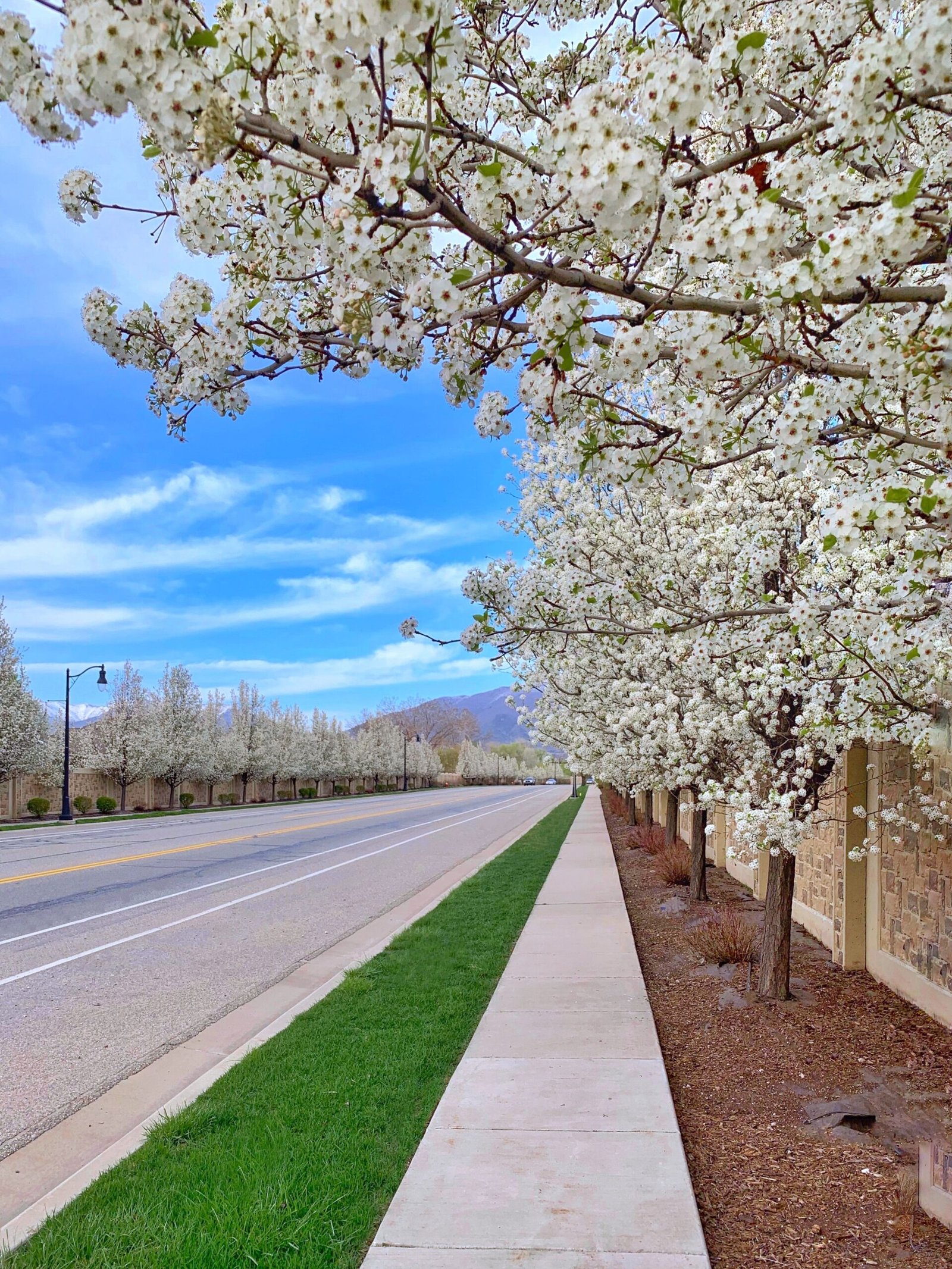
Table of Contents
ToggleIntroduction
As winter’s chill recedes and nature begins its annual revival, spring emerges as perhaps the most magical time to travel. The world awakens in a symphony of color, with landscapes transforming into vibrant tapestries of blooming flowers, lush greenery, and crystalline skies. Spring travel offers a unique sweet spot—the weather is comfortably mild, tourist crowds have not yet reached their summer peak, and the season is rich with cultural festivals celebrating renewal and life . From the iconic cherry blossoms of Japan to the breathtaking tulip fields of the Netherlands, from the Himalayan valleys of India to the wildflower deserts of South Africa, the world offers an extraordinary array of destinations that come alive during this season of rebirth. This comprehensive guide explores the finest places to visit in spring across the globe, providing travelers with insights into seasonal highlights, cultural experiences, and practical tips for making the most of a spring getaway.
The Best Places to Visit in Spring Around the World
Asia’s Spring Blossoms: Japan, South Korea, and China
Asia offers some of the most spectacular spring experiences, with cherry blossom season standing as perhaps the most iconic spring phenomenon worldwide. Kyoto, Japan ranks among the world’s premier spring destinations, where the delicate sakura flowers transform the city’s temples, parks, and streets into a pink and white wonderland during March and April . The ancient capital’s Philosopher’s Path, Maruyama Park, and the Kamogawa River become enchanting routes for hanami—the cherished Japanese tradition of flower viewing picnics beneath the blossoms . Beyond the flowers, spring in Kyoto offers ideal conditions for exploring historic temples like Kiyomizu-dera and Fushimi Inari Taisha, with mild temperatures making walking tours particularly enjoyable . The juxtaposition of centuries-old architecture and fleeting cherry blossoms creates an almost spiritual experience that draws visitors from around the world. For those seeking a different perspective, Arakurayama Sengen Park provides a postcard-perfect view of cherry blossoms framing Mount Fuji, a sight that epitomizes Japan’s spring beauty .
South Korea offers its own spectacular cherry blossom displays, with the city of Jinhae on the southern coast emerging as one of the best places to visit in spring. The city’s streets become tunneled with cherry trees in full bloom, creating a dreamy, romantic atmosphere that feels transported from a fairy tale . The annual Jinhae Cherry Blossom Festival transforms the entire region into a celebration of pink petals, with cultural performances, parades, and evening illuminations adding magic to the experience. Jeju Island, South Korea’s volcanic paradise, presents a different spring spectacle with its vibrant yellow canola flower fields spreading across coastal roads and countryside, creating striking contrasts against the blue ocean . The island’s mild spring temperatures make it perfect for hiking coastal trails, exploring waterfalls, and experiencing the unique volcanic landscapes that have earned Jeju recognition as a UNESCO World Heritage site. The combination of floral displays, volcanic scenery, and fresh seafood cuisine makes Jeju a versatile spring destination that appeals to nature lovers and food enthusiasts alike.
China reveals its spring splendor across diverse landscapes, from the golden rape flower seas of Luoping in Yunnan to the peach blossom valleys of Tibet . Yunnan province stands out as a spring paradise, where the weather is bright, fresh, and warm, offering outdoor enthusiasts endless opportunities for exploration. The Dali region invites visitors to enjoy sunshine while biking alongside Erhai Lake, while the Jade Dragon Snow Mountain provides challenging hikes with rewarding views . For those seeking something more off the beaten path, Nyingchi in Tibet offers a truly unique spring experience, where peach trees bloom beneath snow-capped mountains in a breathtaking contrast of pink and white . The valley, often called the “Switzerland of Tibet,” is particularly magical in spring when the frozen lakes begin to melt and the sound of chanting from monasteries echoes through the blooming valleys. The relatively few tourists during spring make this destination especially appealing for those seeking peace and personal space. Western Sichuan presents another compelling spring option with its pear blossoms, Tibetan villages, and stunning plateau scenery, offering a less-traveled road through some of China’s most beautiful landscapes .
Europe in Bloom: The Netherlands, France, and Beyond
Europe transforms into a botanical paradise during spring, with the Netherlands standing as perhaps the continent’s most famous spring destination. The Keukenhof Gardens, often called the “Garden of Europe,” showcases millions of tulips, hyacinths, and daffodils in meticulously designed displays that represent the pinnacle of Dutch horticultural artistry . More than seven million bulbs are planted each autumn, and over 800 tulip varieties fill the gardens from late March through May, with walking trails extending 15 kilometers through rainbow-colored fields . Beyond the gardens, the Dutch countryside offers idyllic cycling routes through working tulip fields, where visitors can experience the iconic patchwork of vibrant colors stretching to the horizon . The charming villages surrounding Amsterdam add to the experience, with traditional windmills and canals providing the perfect backdrop for spring photography. Amsterdam itself becomes a spring delight, with canal cruises, cycling routes, and outdoor markets surrounded by blooming trees, while world-class museums like the Rijksmuseum and Anne Frank House are especially enjoyable during mild spring weather .
Paris, France emerges as Europe’s top-ranked spring destination, with data showing the city boasts an unmatched 356 parks and gardens that burst into color during spring . The Jardin des Tuileries and Jardin du Luxembourg offer spectacular seasonal displays of tulips, daffodils, and cherry blossoms, creating green oases in the heart of the city . Spring temperatures averaging 16°C make it comfortable for full days of outdoor exploration, whether walking along the Seine, visiting the Musée d’Orsay, or climbing to Sacré-Cœur for panoramic views . The city’s café culture comes alive during spring, with outdoor terraces filling with locals and visitors enjoying the longer days and warmer weather. Beyond Paris, Provence offers a different but equally compelling spring experience, with rolling hills covered in wildflowers and charming hilltop towns like Gordes and Roussillon at their most photogenic . The region’s outdoor markets, vineyards, and seasonal cuisine make spring an ideal time to experience Provençal life before the summer crowds arrive . The Loire Valley, often called the “Garden of France,” is particularly spectacular in May when flowers peak across its woodlands, meadows, and orchards, with the region’s magnificent châteaux providing a romantic backdrop for spring exploration .
Madrid, Spain surprises many with its spring floral displays, recording the highest number of spring flower observations of any European city—an extraordinary 812 in total . The city’s 115 parks and gardens, particularly the famous Retiro Park with its rose garden and boating lake, offer some of the best urban spring experiences in Europe . Spring temperatures averaging 19°C make Madrid one of the warmest spring destinations in Europe, ideal for exploring the lively streets of La Latina and Malasaña before summer heat makes such walks less appealing . The Jerte Valley presents one of Spain’s most spectacular spring spectacles, with over one million cherry trees blooming simultaneously, turning the valley white in a breathtaking display . The Cherry Blossom Festival features traditional music, artisan markets, and village events celebrating the region’s culture, with visitors enjoying fresh mountain air and rural trails through a landscape transformed by blossoms. Seville adds to Spain’s spring magic when the city’s orange trees burst into bloom, filling the air with sweet fragrance, while the famous April Feria provides a colorful celebration of Andalusian culture . The combination of orange blossoms, flamenco music, and mild temperatures makes Seville an enchanting spring destination.
Rome, Italy ranks among Europe’s best spring destinations, with 158 parks and gardens and average temperatures of 19°C creating ideal conditions for exploration . Villa Borghese offers perfect spring walks, while the Roman Forum and Palatine Hill reveal wildflowers blooming among ancient ruins, creating a breathtaking contrast between nature and history . Spring is the time when Rome’s outdoor culture truly comes alive, with the Spanish Steps and Trevi Fountain surrounded by pleasant temperatures and blooming flowers. Florence captivates spring visitors with its 45 parks and gardens, particularly the Boboli Gardens behind Palazzo Pitti, where formal Renaissance planting reaches its seasonal peak . The city’s museums, including the Uffizi Gallery and the Accademia, enjoy shorter queues in spring compared to summer, making it an ideal time for art lovers. Budapest emerges as an underrated spring gem, with 67 parks and gardens recording 60 flower observations across the season, including cherry blossoms, tulips, and lily of the valley . The city’s Margaret Island, located in the middle of the Danube, offers gardens, fountains, and a relaxed atmosphere that feels far from the busier parts of the city, while spring temperatures averaging 17°C strike the perfect balance for sightseeing .
North American Spring Splendors: From Cherry Blossoms to National Parks
Washington D.C. offers one of the world’s most iconic spring experiences when thousands of pink and white cherry trees burst into bloom around the Tidal Basin . The National Cherry Blossom Festival celebrates this spectacle with parades, cultural performances, and waterfront activities that draw visitors from around the world . The sight of iconic monuments like the Lincoln Memorial, Jefferson Memorial, and Washington Monument framed by delicate blossoms creates unforgettable photographic opportunities . Spring weather makes walking tours, bike rides, and outdoor museum visits especially pleasant, with the city’s world-class Smithsonian museums and historic Georgetown neighborhoods adding cultural depth to the experience. Beyond the cherry blossoms, spring in the capital offers an abundance of seasonal food stalls, open-air events, and a festive atmosphere that transforms the city into a celebration of renewal and international friendship.
Yosemite National Park in California offers a different but equally compelling spring experience, with snow still frosting the landscape into May while lower elevations begin to bloom . Spring visitors can experience the park’s glorious scenery in perfect tranquility before summer crowds arrive, with Yosemite Valley and Wawona accessible by car year-round . Hiking trails in both areas are usually open earlier in the season, and Hetch Hetchy Valley offers additional opportunities for exploration. The contrast between melting snow, rushing waterfalls, and emerging greenery creates some of the year’s most spectacular scenery. For those seeking adventure, renting a cozy cabin provides a base for exploring the park’s natural wonders, with the added bonus that visitors can even bring their pets along for the adventure .
Charleston, South Carolina combines spring beauty with cultural richness, offering historic architecture, world-class dining, and polished hospitality . Spring 2026 brings the opening of The Cooper, a new waterfront luxury hotel, while the Spoleto Festival USA running from late May through early June layers opera, dance, theater, and music performances onto an already vibrant city . The Charleston Wine and Food Festival in early March adds culinary appeal, making the city a destination that satisfies both cultural and gastronomic cravings. Amelia Island, Florida offers a quieter alternative to more crowded spring break destinations, with fewer crowds, more space, and an understated elegance that works especially well for families and multi-generational trips . The island’s Ritz-Carlton and Omni Amelia Island Resort provide beachfront relaxation, spa experiences, and outdoor adventure, while the recently expanded Omni offers refreshed oceanfront guest rooms and a golf course restoration .
Banff National Park in Canada provides one of North America’s most dramatic spring transitions, as melting snow reveals turquoise lakes and striking mountain scenery . Iconic spots like Lake Louise and Moraine Lake begin to thaw, creating contrasts between snow-capped peaks and turquoise waters that photographers dream of capturing . Spring brings wildlife sightings as elk, bears, and mountain goats become more active, while fewer visitors mean quieter trails and better chances to enjoy viewpoints without crowds . Visitors can enjoy hiking at lower elevations, scenic gondola rides, and photography along the Icefields Parkway, where crisp air and changing landscapes reward those who venture during this shoulder season. The area’s “big three” resorts—Lake Louise, Banff Sunshine, and Norquay—welcome winter sports enthusiasts until late May, offering cold-weather activities alongside spring’s emerging beauty .
India’s Spring Paradise: From Kashmir to the South
Spring transforms Kashmir into a vibrant paradise, with the famous Indira Gandhi Memorial Tulip Garden in Srinagar bursting into thousands of tulips in shades of red, yellow, and pink . Spring is the season when the valley fully awakens after winter’s cold, with almond blossoms and fresh greenery adding to the charm . A shikara ride on Dal Lake during spring feels magical, with cool breezes and clear skies creating the perfect setting for experiencing the region’s famous beauty . The pleasant weather also provides an ideal opportunity to explore Mughal gardens like Shalimar Bagh and Nishat Bagh, where terraced lawns, flowing water channels, and blooming flowers create paradise on earth . Kashmir in spring is particularly appealing for photographers and couples seeking romantic getaways, with snow-draped mountains providing a dramatic backdrop to the colorful flower displays .
Uttarakhand comes alive in spring with blooming rhododendrons, locally called buransh, painting the mountains red and pink . The state’s hill stations—Auli, Chopta, and Mukteshwar—offer stunning Himalayan views with pleasant temperatures that make trekking and exploration particularly enjoyable . While the famous Valley of Flowers opens later in the season, surrounding areas begin showing early spring flora, making April an ideal time for Himalayan treks, fresh alpine air, and quiet trails less crowded than peak summer . For nature lovers and adventure seekers, Uttarakhand’s spring offerings provide the perfect combination of comfort and natural beauty. Darjeeling in West Bengal offers panoramic views of Kanchenjunga, blooming rhododendrons, and clear skies that define the Himalayan spring experience . The famous toy train ride, tea estate visits, and sunrise viewing at Tiger Hill become even more memorable when the landscape is at its freshest and most colorful.
Munnar, Kerala offers a southern alternative to Himalayan spring destinations, with cool weather, misty hills, and blooming landscapes in March and April . The rolling tea plantations look especially vibrant in spring, making the region one of the best spring break destinations for families seeking relaxed, accessible travel experiences . Tea estate walks, visits to Eravikulam National Park, waterfall hopping, and sunrise viewpoints provide activities for all ages and interests. Coorg, often called the “Scotland of India,” offers coffee plantation stays and fragrant blooms in spring, with Abbey Falls and Raja’s Seat providing scenic highlights . The region’s misty hills and blooming coffee plantations create an atmosphere of peaceful seclusion that makes it ideal for quiet getaways. Meghalaya in northeast India becomes lush and vibrant in spring, with early rains enhancing the region’s famous waterfalls and living root bridges . Spring offers a fantastic opportunity to explore the northeastern states before the heavy monsoons begin, providing unique experiences that feel worlds away from more crowded destinations.
The Southern Hemisphere’s Reverse Spring
For travelers seeking spring during the Northern Hemisphere’s autumn, the Southern Hemisphere offers spectacular spring experiences. Cape Town, South Africa stands out as a coastal spring destination, with blooming landscapes, comfortable temperatures, and fewer crowds during September to November . Visitors can enjoy beaches, vineyards, and scenic hikes in one destination, with popular attractions like Table Mountain, Cape Point, and the Cape Winelands offering diverse experiences . Spring is ideal for outdoor dining, coastal drives along Chapman’s Peak, and wildlife viewing, with the city’s mix of nature, culture, and scenery making it a versatile spring getaway. The Namaqua National Park offers one of the world’s most extraordinary spring phenomena—a desert wildflower bloom that transforms an arid landscape into a colorful carpet of flowers . This rare natural event occurs only once a year, with visitors able to drive through designated flower routes and explore walking trails designed for the bloom season . The contrast between desert terrain and vibrant flowers makes this one of the most visually striking spring experiences in the world, and because the bloom depends on rainfall, timing varies each year, adding to the sense of exclusivity .
New Zealand beckons outdoor lovers during its September to November spring season, when fresh green forests and waterfalls fed by snowmelt transform landscapes, and tulips appear around lakes and valleys . The country’s spectacular mountains, glaciers, and fjords serve as backdrops for some of the world’s best hiking trails, with spring offering excellent weather conditions before summer heat and crowds arrive . Trails are quieter during spring, allowing visitors to enjoy mountain ridgelines, valleys, and lakes at their own pace. The North Island’s spring temperatures often reach 20°C, while the south remains cooler at around 16°C, providing options for different comfort levels . Argentina presents its own spring beauty from September to November, with Buenos Aires’s jacaranda trees blooming from late October into November, making it a beautiful time to wander through different neighborhoods visiting cafes and galleries . At Iguazu Falls, spring means drier paths for comfortable walks while the cascades still thunder with impressive volume. Patagonia’s Lake District becomes carpeted in wildflowers during spring, with melting snow feeding crystal clear lakes and rivers, creating some of South America’s most dramatic seasonal transformations .
Conclusion
Spring emerges as the traveler’s most rewarding season, offering a perfect balance of comfortable weather, spectacular natural best places to visit in spring beauty, and cultural vibrancy. From the iconic cherry blossoms of Japan and the tulip fields of the Netherlands to the desert wildflowers of South Africa and the rhododendron blooms of the Himalayas, the world’s spring destinations offer experiences that range from the breathtakingly beautiful to the profoundly moving. This season of renewal invites travelers to witness nature’s most dramatic transformation, with landscapes that were dormant just weeks before bursting into explosive color and life. Whether seeking peaceful nature retreats, vibrant cultural celebrations, or adventure-filled experiences, spring destinations around the world provide opportunities to create lasting memories. The relatively mild tourist crowds and more affordable travel options make spring an ideal time to explore both well-known destinations and hidden gems. As the world awakens from winter’s slumber, travelers too can experience a sense of renewal, discovering new perspectives and forging deeper connections with the places they visit. Spring travel reminds us that beauty is fleeting and precious, encouraging us to embrace the moment and celebrate the extraordinary diversity of our planet’s seasonal celebrations.
Frequently Asked Questions
Q: What is the best time to travel to see cherry blossoms in Japan?
A: The cherry blossom season in Japan typically runs from late March to mid-April, though timing can vary slightly each year depending on weather conditions . Kyoto and Tokyo usually peak in early April, while northern regions may see blossoms later. For the best chance of viewing cherry blossoms, plan your trip for the first two weeks of April .
Q: When should I visit Keukenhof Gardens in the Netherlands?
A: The Keukenhof Gardens are typically open from late March to mid-May, with the peak tulip bloom occurring in mid-April . More than seven million bulbs are planted each year, and the gardens display over 800 tulip varieties during the spring season . The best time to see the gardens at their most spectacular is usually the second half of April.
Q: What are the best spring destinations for families?
A: Munnar in Kerala, Andaman Islands, Jaipur, and Darjeeling in India are considered excellent spring destinations for families due to safety, accessibility, and diverse activities . In the United States, Amelia Island, Florida, and Orlando’s theme parks offer family-friendly spring experiences . The Netherlands with its bike-friendly tulip routes and Japan with its hanami picnics also appeal to families .
Q: How far in advance should I book spring travel?
A: For popular spring destinations and festivals like Japan’s cherry blossom season or the Netherlands’ tulip season, it is advisable to book around a year in advance, especially for accommodation and flights . For spring break periods, early booking is also recommended as many destinations see increased demand during March and April .
Q: What should I pack for spring travel?
A: Spring weather can be changeable, so layering is essential. Pack a raincoat or umbrella for destinations with spring showers, comfortable walking shoes for exploring, and clothing that can be layered for varying temperatures . In northern hemisphere destinations, evenings can still be cool, while daytime temperatures are often mild to warm. For destinations in Asia, light rain gear is recommended, especially in southern China and Japan .


Video Viral Indo: Panduan Lengkap Memahami Tren Video Viral Indonesia

Cadillac Small SUV: Models, Features, and Complete Buying Guide

Roof Cricket Installation: Complete Guide to Design, Materials, and Proper Installation

Sharon Mobley Stow: The Private Life of Jim Acosta’s Ex-Wife, Her Career as a Nurse, and Life After a High-Profile Divorce

Vertippdich.de: The Ultimate Guide to eBay Typo Bargains

Inventive LWMFCrafts: 7 Transformative Projects to Unleash Family Creativity and Master the Art of Low-Mess Making
Trending
 Business3 months ago
Sharon Mobley Stow: The Private Life of Jim Acosta’s Ex-Wife, Her Career as a Nurse, and Life After a High-Profile Divorce
- Digital3 months ago
Vertippdich.de: The Ultimate Guide to eBay Typo Bargains
- Crafts3 months ago
Inventive LWMFCrafts: 7 Transformative Projects to Unleash Family Creativity and Master the Art of Low-Mess Making
- Tech3 months ago
MataRecycler: The Definitive Guide to AI-Powered Smart Recycling and the Future of Waste Management
- Sports3 months ago
Dave Nevison Tips: The Professional Gambler’s Guide to Value Betting
- Sports2 months ago
Little Oakley FC: A Complete Guide to the Community Football Club in
- Tech2 months ago
TVLIO in : The Complete Guide to Its Meaning, Uses, Features, and Future
- home3 months ago
blog home ideas thehometrotters: Transform Your Living Space with TheHomeTrotters