
Food
The Complete Guide to Red Kiwi: The Sweet, Berry-Flavored Superfruit

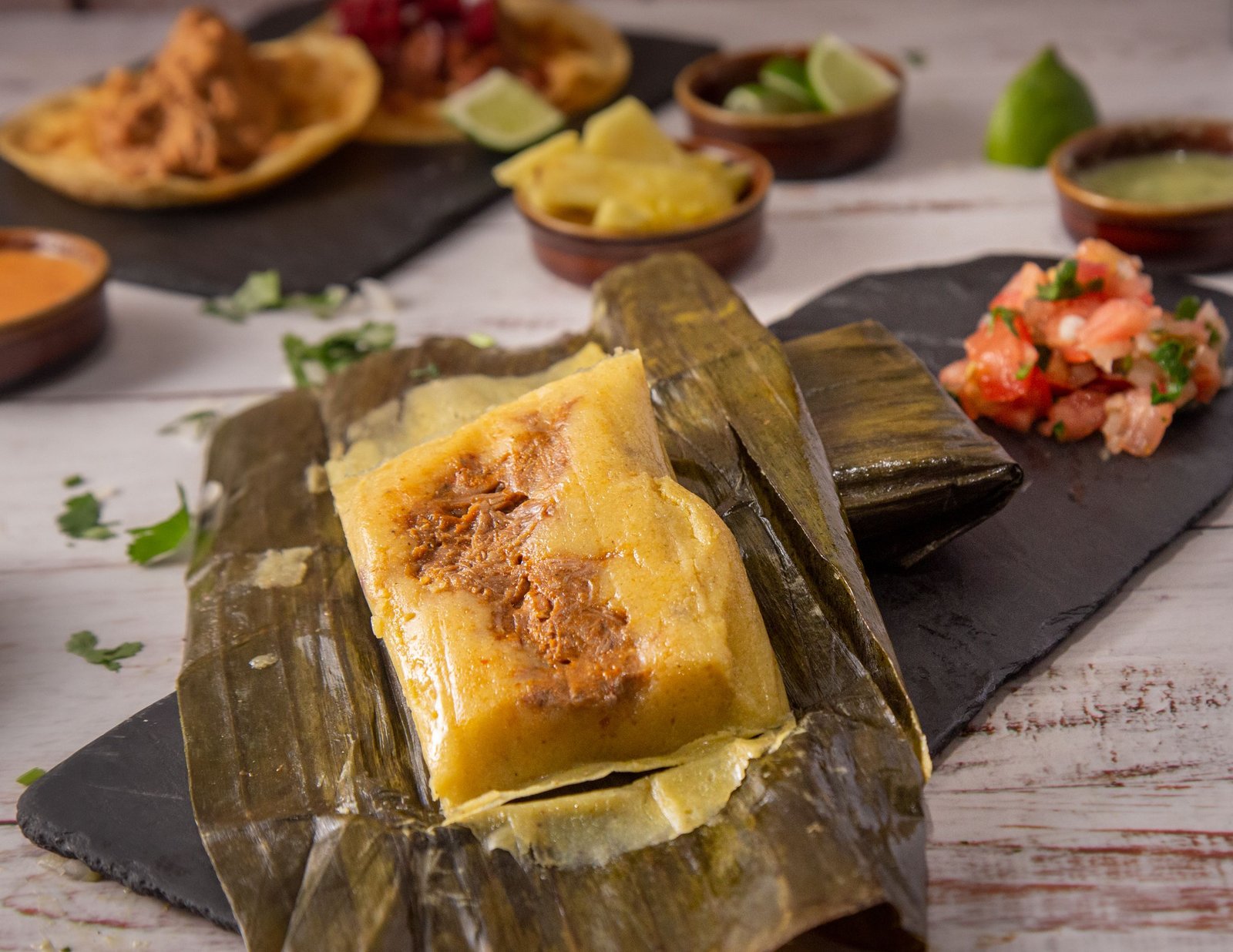
Searching for the best tamales tolimenses near me can be the beginning of a delicious journey into one of Colombia’s most comforting and distinctive traditional foods. Tamal Tolimense is associated with the Tolima region of Colombia and is known for being a hearty, filling meal rather than a small snack. Depending on the recipe and restaurant, the tamal may combine seasoned corn-based dough with rice, meat, vegetables, and other ingredients before being wrapped and cooked. Modern restaurant menus demonstrate just how substantial this dish can be, with Tamal Tolimense commonly served as a complete meal and sometimes featuring combinations such as chicken, pork, rice, potato, carrot, and egg.
When people search for the best tamales tolimenses near me, they are usually looking for more than simply a restaurant that has the word “tamal” on its menu. They want something that tastes traditional, contains generous portions, has well-seasoned ingredients, and captures the comforting character associated with Colombian home cooking. Finding that experience can require a little research because not every tamale is prepared in the same way, and recipes can vary from one Colombian family, bakery, restaurant, or region to another. This guide explains what makes Tamales Tolimenses special, how to recognize a good one, what to look for when searching locally, and how to make a smarter choice when ordering for breakfast, lunch, dinner, a celebration, or a family gathering.
What Are Tamales Tolimenses?
Tamales Tolimenses are a traditional Colombian preparation associated particularly with Tolima. Like other tamales throughout Latin America, they are built around a seasoned dough or masa and a flavorful filling that is wrapped before being cooked. However, the ingredients, proportions, seasoning, and presentation help distinguish a Tolimense tamal from tamales found in other countries or even from other Colombian regional varieties. Restaurant descriptions can include a combination of cornmeal, rice, chicken, pork, pork rib, egg, potato, carrot, and other ingredients, creating a substantial package with several textures and flavors in every serving.
One of the reasons people searching for the best tamales tolimenses near me become fans of this dish is the balance between the masa and the filling. A well-prepared tamal should not taste like plain dough surrounding a small amount of filling. Instead, the components should complement one another, with seasoned masa providing a comforting base while the meats, vegetables, rice, and other ingredients contribute savory depth. The cooking process is also important because steaming allows the ingredients to develop a cohesive texture while keeping the interior moist and flavorful. When served hot, a good Tamal Tolimense can be satisfying enough to function as an entire meal.
Why People Search for the Best Tamales Tolimenses Near Me
The phrase best tamales tolimenses near me reflects a very practical type of food search. Someone typing this phrase into Google is often ready to eat, order, or visit a restaurant, which means local relevance is extremely important. They may be looking for a Colombian bakery that prepares tamales early in the morning, a restaurant specializing in Colombian cuisine, a family-owned food business, a market carrying prepared Colombian foods, or a delivery option that can bring Tamales Tolimenses directly to their home. Local availability can change frequently, so checking current menus, opening hours, customer reviews, and ordering information before visiting is a useful part of the search process.
Another reason this keyword is valuable is that Tamales Tolimenses are strongly connected with comfort food and tradition. Someone who grew up eating Colombian tamales may be looking for a flavor that reminds them of home, while someone unfamiliar with the dish may simply want to experience an authentic Colombian specialty. That means the ideal local restaurant is not necessarily the one with the largest menu or the most expensive dining room. A smaller Colombian bakery or family-run restaurant may offer an especially memorable tamal because of its preparation methods, seasoning, ingredient quality, and connection to traditional cooking.
How to Find the Best Tamales Tolimenses Near Me
When searching for the best tamales tolimenses near me, start by looking specifically for Colombian restaurants and bakeries rather than searching for generic tamales. The word “tamale” covers an enormous range of dishes, and Mexican, Central American, South American, and Caribbean versions can differ substantially. Adding terms such as “Colombian,” “Tamal Tolimense,” “Tolima,” or “Colombian bakery” can make the search much more targeted. Restaurant menus are particularly useful because they can reveal whether a business actually offers Tamal Tolimense rather than another variety of tamal.
Customer reviews can also provide helpful clues, particularly when multiple customers independently mention the same qualities. Look for comments about freshness, portion size, seasoning, meat quality, masa texture, and authenticity rather than relying only on a star rating. A restaurant with numerous reviews specifically mentioning its Tamal Tolimense may provide more useful evidence than a restaurant with an excellent overall rating but very little information about the dish itself. Search results can also reveal delivery listings and menus; for example, current delivery listings show Colombian businesses offering Tamal Tolimense alongside other Colombian specialties.
What Makes a Great Tamal Tolimense?
A great Tamal Tolimense begins with quality ingredients and careful preparation. The masa should be properly seasoned and cooked so that it has a pleasant, cohesive texture without becoming excessively dry or mushy. The filling should be generous enough that each bite includes a meaningful combination of the principal ingredients. Meat should be tender and properly seasoned, while vegetables and other components should retain enough character to contribute to the overall texture. The best examples feel carefully assembled rather than mass-produced.
Freshness is another major factor when deciding between restaurants offering the best tamales tolimenses near me. Tamales can be prepared in batches, which means timing matters. A freshly steamed tamal served hot can have a very different texture and aroma from one that has been sitting for an extended period. If you are ordering from a restaurant or bakery, ask whether the tamales are made fresh that day and whether they are served hot or reheated. If a business specializes in Colombian breakfast foods and has a strong local reputation for tamales, it may be worth considering that business ahead of a general restaurant that only occasionally offers them.
Traditional Ingredients to Expect
Although recipes vary, a Tamal Tolimense can contain several components that make it particularly filling. Restaurant descriptions currently include combinations of cornmeal, rice, chicken, pork, pork rib, egg, potato, carrot, and other ingredients. The precise recipe depends on the cook, restaurant, and family tradition, so readers should not assume that every authentic tamal will look or taste exactly the same.
The seasoning is equally important because the filling and masa need to work together. Colombian cooking frequently relies on aromatic ingredients and carefully developed savory flavors rather than overwhelming heat. For someone trying Tamales Tolimenses for the first time, the experience can therefore be quite different from eating a spicy tamale from another culinary tradition. If you are unfamiliar with Colombian cuisine, asking the restaurant about its specific preparation can be a great way to understand what you are ordering and what accompaniments it recommends.
Best Places to Look for Tamales Tolimenses
Colombian bakeries are one of the first places worth checking when searching for the best tamales tolimenses near me. Bakeries serving Colombian food often combine breads, pastries, empanadas, arepas, beverages, and traditional breakfast dishes, making them natural places to find regional specialties. Some may prepare tamales on particular days or sell them in limited quantities, so checking availability before making a trip can save time.
Colombian restaurants are another strong option, especially establishments that identify specific regional dishes on their menus. A restaurant that clearly lists “Tamal Tolimense” demonstrates that the dish is part of its regular food offering rather than an accidental variation. Delivery platforms can also be useful for discovering restaurants in a particular area. Current listings show examples of Colombian businesses offering Tamal Tolimense through delivery services, including establishments where customers specifically discuss the size and flavor of the tamales.
How to Choose Between Several Local Options
If several restaurants appear when you search best tamales tolimenses near me, compare them using more than price. Start with the menu and determine whether the establishment specifically calls the dish “Tamal Tolimense.” Next, examine recent reviews for comments about freshness, portion size, flavor, and consistency. Photos can also be useful because they may show the size of the tamal and the ingredients inside, although photographs should never be treated as a guarantee that every order will look identical.
Consider convenience as well. If you want tamales for breakfast, a bakery that opens early may be more practical than a restaurant that does not begin serving until lunchtime. If you are ordering several dozen tamales for a gathering, ask about advance orders and bulk pricing. If you are trying the dish for the first time, ordering one or two before placing a large order can help you determine whether the restaurant’s particular recipe matches your preferences.
Tamales Tolimenses for Breakfast
In Colombia and Colombian communities around the world, tamales can be associated with breakfast and other substantial meals. Their combination of masa, rice, meat, vegetables, and other ingredients makes them considerably more filling than many conventional breakfast foods. A hot Tamal Tolimense can be enjoyed alongside a Colombian hot drink or other breakfast items, depending on the restaurant’s menu and local customs.
If you are searching for the best tamales tolimenses near me specifically for breakfast, pay close attention to opening hours and preparation schedules. Some bakeries and restaurants may sell their most popular tamales early in the day, meaning availability can decrease later. Calling ahead or checking the current online menu is especially useful when the dish is popular or prepared in limited batches.
Ordering Tamales Tolimenses for a Family Gathering
Tamales can be an excellent choice when you need a traditional Colombian dish for several people. Their individual wrapping makes them relatively convenient to portion, and the substantial filling means they can serve as a centerpiece for a meal. Before ordering a large quantity, however, confirm how much notice the restaurant needs. A small bakery may make tamales in batches rather than keeping unlimited quantities ready throughout the day.
If you are organizing a family event, ask about reheating instructions and storage recommendations. Proper handling matters because tamales contain cooked ingredients and should be kept at appropriate temperatures. A reputable restaurant should be able to explain how its tamales should be stored and reheated so that they retain their texture and flavor.
Authenticity vs. Personal Preference
The search for the best tamales tolimenses near me does not have to mean finding one universally perfect tamal. Food is personal, and different diners may prefer different combinations of ingredients, seasoning levels, textures, or portion sizes. Someone who grew up in Tolima may prioritize traditional preparation, while another diner may simply want a flavorful and satisfying Colombian meal.
Authenticity is therefore best understood as a combination of regional tradition, ingredients, preparation methods, and culinary context rather than a single rigid recipe. Recipes can naturally vary between families and restaurants. Instead of rejecting a restaurant simply because its tamal looks slightly different from another version, consider whether it presents a thoughtful interpretation of the dish and whether customers consistently enjoy it.
Tips for Getting the Most From Your Search
The most effective way to find the best tamales tolimenses near me is to combine several types of information. Search Google Maps or local restaurant listings for Colombian restaurants and bakeries, examine their menus, read recent customer reviews, and check whether Tamal Tolimense is currently available. If delivery platforms are popular in your area, compare their menus as well, but remember that menu availability and prices can change.
It is also worth searching using several related phrases. Try “Tamal Tolimense near me,” “Colombian tamales near me,” “Colombian bakery near me,” and “authentic Colombian food near me.” Different businesses may use different wording in their websites and menus, so relying on one exact search phrase can cause you to miss good options. This is particularly important for local SEO because restaurants may describe their food using either Spanish or English terminology.
Why Tamales Tolimenses Are Worth Trying
Tamales Tolimenses offer much more than an ordinary meal because they bring together ingredients, cooking techniques, and cultural traditions in one substantial dish. The combination of masa, rice, meat, vegetables, and seasoning creates a layered eating experience that can be both comforting and memorable. For people familiar with Colombian cuisine, a good tamal can evoke family meals and celebrations, while newcomers can discover a traditional dish that deserves a place among Colombia’s best-known foods.
The next time you search for the best tamales tolimenses near me, take a moment to investigate the story behind the food as well as the restaurant serving it. Look for Colombian-owned businesses, traditional preparation, fresh ingredients, strong customer feedback, and a menu that demonstrates familiarity with Colombian cuisine. A little research can turn a simple local food search into an opportunity to discover an authentic and satisfying Colombian culinary experience.
Conclusion
Finding the best tamales tolimenses near me is ultimately about identifying a place that combines traditional flavor, quality ingredients, freshness, generous preparation, and reliable service. Tamal Tolimense is a distinctive Colombian dish associated with Tolima, and its hearty combination of masa, rice, meat, vegetables, and other ingredients makes it a particularly satisfying choice for breakfast, lunch, family meals, and special occasions. Current restaurant and delivery listings show that the dish is available in Colombian food establishments in different markets, although the exact recipe and presentation can vary.
Whether you are a Colombian food enthusiast or someone trying Tamales Tolimenses for the first time, the best approach is to compare local options instead of choosing the first result you see. Check menus, read recent reviews, ask about freshness, and look for restaurants or bakeries with a genuine focus on Colombian cuisine. With those simple steps, your search for the best tamales tolimenses near me can lead you to a flavorful traditional dish and perhaps a new favorite local food destination.
Frequently Asked Questions
What are Tamales Tolimenses?
Tamales Tolimenses are a traditional Colombian tamal associated with the Tolima region. They generally combine seasoned masa with substantial fillings, and versions listed by restaurants can include rice, chicken, pork, pork rib, egg, potato, carrot, and other ingredients.
How do I find the best tamales tolimenses near me?
Search specifically for Colombian restaurants, Colombian bakeries, and businesses listing “Tamal Tolimense” on their menus. Compare recent reviews, menu descriptions, photographs, opening hours, and availability before choosing where to order.
Are Tamales Tolimenses the same as Mexican tamales?
No. Although both belong to the broader tamale tradition, recipes vary significantly by country and region. Tamales Tolimenses have their own Colombian ingredients, preparation traditions, and regional identity.
What ingredients are commonly found in a Tamal Tolimense?
Ingredients vary by recipe, but restaurant descriptions can include cornmeal, rice, chicken, pork, pork rib, egg, potato, carrot, and other savory components.
Are Tamales Tolimenses good for breakfast?
Yes. Their substantial combination of masa, rice, meat, and other fillings makes them a filling breakfast option, particularly when served fresh and hot by a Colombian bakery or restaurant.
Can I order Tamales Tolimenses for delivery?
In some locations, yes. Delivery listings currently show Colombian restaurants and bakeries offering Tamal Tolimense, although availability depends on the city and individual restaurant.
How can I tell if a Tamal Tolimense is fresh?
Ask when the tamales were prepared and whether they are freshly steamed or reheated. Reviews mentioning freshness, moist texture, generous filling, and consistent quality can also help you evaluate a restaurant.
What should I serve with Tamales Tolimenses?
The ideal accompaniment depends on the restaurant and your preferences. Colombian breakfast beverages, coffee, hot chocolate, or other traditional sides can complement the savory flavors of a Tamal Tolimense.
Should I order Tamales Tolimenses in advance?
If you need several tamales for a party or family gathering, advance ordering is recommended. Some restaurants and bakeries prepare them in batches, so ordering ahead can help ensure that you receive the quantity you need.
What is the best search phrase for finding them locally?
The strongest starting phrase is “best tamales tolimenses near me.” You can also try related searches such as “Tamal Tolimense near me,” “Colombian tamales near me,” “Colombian bakery near me,” and “authentic Colombian food near me” to discover additional options.
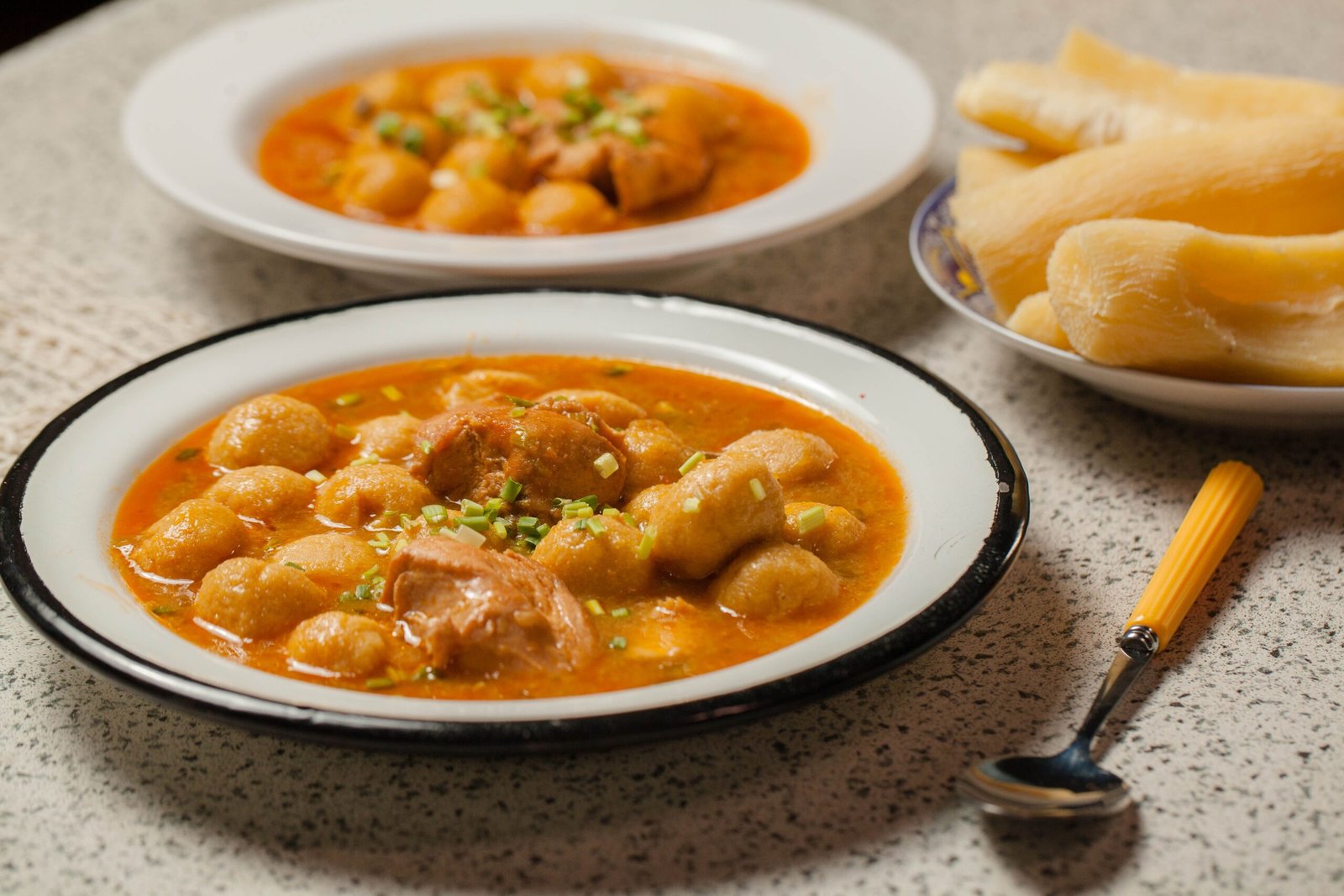
Fufu and egusi is one of the most recognizable and beloved food combinations associated with West African cuisine. The meal brings together soft, smooth, starchy fufu with rich and flavorful egusi soup, creating a satisfying combination of textures and tastes. Although recipes and preparation methods vary from one household and region to another, the basic appeal remains the same: a hearty soup or stew served alongside a smooth swallow that can be used to scoop up the flavorful dish. Fufu can be made from different starchy ingredients depending on the region and tradition, while egusi soup gets its distinctive character from ground melon seeds, vegetables, seasonings, and often meat, fish, or other protein. For people discovering West African food for the first time, fufu and egusi provides an excellent introduction to the depth, variety, and communal traditions found throughout the cuisine.
What Is Fufu and Egusi?
At its simplest, fufu and egusi refers to the pairing of a smooth starchy food known as fufu with egusi soup. Fufu is not a single ingredient or one fixed recipe; rather, the word can describe several preparations made by cooking and pounding, stirring, or processing starchy foods until they reach a soft, stretchy, dough-like consistency. Depending on the culinary tradition, fufu may be prepared from cassava, yam, plantain, or other starches. The finished food is generally mild in flavor, which makes it especially suitable for eating with strongly seasoned soups and stews. Egusi soup, meanwhile, is known for its thick texture and nutty flavor, which come primarily from ground egusi, or melon seeds. The combination works because the relatively neutral fufu balances the rich, savory soup, while its soft texture makes it easy to enjoy every part of the meal together.
Why Is Fufu and Egusi So Popular?
The popularity of fufu and egusi comes from more than flavor alone. The meal represents many of the qualities people appreciate in traditional West African cooking: generous portions, complex seasoning, satisfying textures, and food designed to be enjoyed slowly and socially. Egusi soup can contain layers of flavor created by ingredients such as onions, peppers, leafy vegetables, stock, spices, meat, dried or fresh fish, and ground melon seeds. Fufu provides a soft and filling accompaniment that brings all those flavors together in each bite. In many homes, meals such as fufu and egusi are also associated with family gatherings, celebrations, hospitality, and everyday comfort. This combination has also become increasingly popular outside West Africa as restaurants, food creators, and home cooks introduce more people around the world to traditional African dishes.
The Main Ingredients in Egusi Soup
The ingredients used for egusi soup can differ considerably depending on the cook and regional tradition, but ground egusi seeds are the defining ingredient. Egusi refers to the seeds of certain melon plants, which are ground before being incorporated into the soup. These seeds contribute a distinctive nutty taste and help give the dish its characteristic thickness. Other commonly used ingredients may include onions, tomatoes or tomato-based ingredients, peppers, leafy vegetables, stock, palm oil, and seasonings. Protein choices can include beef, goat meat, chicken, fish, shrimp, or other ingredients depending on personal preference and the particular recipe. Some versions are especially vegetable-forward, while others emphasize meat or seafood. This flexibility is one reason there is no single universal recipe for fufu and egusi. Instead, the dish can be adapted to different tastes while retaining its essential identity.
How to Prepare Egusi Soup
Preparing egusi soup usually involves building flavor gradually rather than simply combining all ingredients at once. A cook may begin by preparing the meat or seafood and creating a flavorful stock, while aromatics such as onions and peppers are prepared separately. The ground egusi is then incorporated using a method that varies by recipe. Some cooks form the ground seeds into small pieces or balls before adding them to the soup, while others mix them directly into the cooking liquid or sauce. Palm oil is frequently used to provide richness and characteristic color, and vegetables may be added toward the end so they retain some texture and freshness. The soup is cooked until the ingredients come together into a thick, flavorful consistency. Because recipes differ so much, cooking times and exact quantities should be adjusted according to the chosen version and the ingredients being used.
How Is Fufu Prepared?
The preparation of fufu depends on the type of starch being used. Traditional versions may involve boiling a starchy ingredient and pounding or processing it until it becomes smooth and cohesive. Modern methods may use prepared flour or instant fufu products that are mixed with water and cooked while being stirred until the desired consistency is reached. The goal is generally a soft, smooth, elastic texture without unwanted lumps. The finished fufu is commonly shaped into portions before serving. Because fufu itself is usually mild, its primary purpose is to complement the soup rather than overpower it. When paired with egusi soup, the soft texture allows diners to enjoy the thick soup and its ingredients together in a single mouthful.
How to Eat Fufu and Egusi
For someone unfamiliar with fufu and egusi, the traditional eating method may initially seem different from the way many Western meals are eaten. Fufu is commonly eaten with the hands, although utensils can certainly be used according to personal preference and the setting. A small portion of fufu can be broken off and shaped into a manageable piece. It is then used to scoop up some of the egusi soup and accompanying ingredients. In traditions where eating with the hands is customary, the fufu is generally handled with the fingers rather than chewed like bread or rice. The experience is as much about combining textures as it is about tasting the individual ingredients. Anyone trying the dish for the first time should feel comfortable adapting the method to their own circumstances, particularly when dining in a restaurant or preparing the meal at home.
Fufu and Egusi in Nigerian Cuisine
Nigerian fufu and egusi is particularly well known internationally, although egusi soup and related swallow dishes are enjoyed across different parts of West Africa. Nigerian cuisine contains an enormous variety of regional dishes, ingredients, cooking methods, and cultural influences, so even within Nigeria there are many approaches to preparing egusi soup. Different communities may use different vegetables, proteins, seasonings, and techniques, resulting in noticeably different versions of the same broad dish. This regional diversity is important because it demonstrates that fufu and egusi should not be understood as one rigid recipe. Instead, it is better viewed as a family of food traditions connected by the pairing of a soft swallow with a rich egusi-based soup.
The Cultural Importance of Fufu and Egusi
Food often carries cultural meaning far beyond its nutritional role, and fufu and egusi is a good example of this principle. Traditional meals can bring families and communities together around a shared table, with recipes passed from one generation to another. The techniques used to prepare soups, stews, and swallows may reflect local customs and family traditions. For many people, a familiar dish can evoke memories of home, celebrations, relatives, and important occasions. At the same time, dishes such as egusi soup continue to evolve as people move between countries and adapt recipes to ingredients available in new locations. As a result, fufu and egusi can be both deeply traditional and remarkably adaptable.
What Does Fufu Taste Like?
Fufu generally has a mild flavor, which makes it an excellent companion for strongly seasoned soups. Depending on the starch and preparation method, its flavor may have subtle earthy, starchy, sour, or slightly sweet notes, but texture is often more important than taste. A well-prepared fufu should have a smooth, cohesive consistency that is pleasant to handle and easy to combine with soup. Since egusi soup has considerably more flavor intensity, the mild nature of fufu creates a useful contrast. Instead of competing with the soup, it acts almost like a vehicle for the rich sauce and its ingredients. This balance between mild starch and flavorful soup is a central reason why fufu and egusi works so well as a complete meal.
What Does Egusi Soup Taste Like?
Egusi soup is usually rich, savory, and nutty, with its exact flavor depending heavily on the ingredients and cooking method. Ground melon seeds provide the distinctive base flavor and thick texture, while peppers, onions, seasonings, vegetables, palm oil, stock, and protein contribute additional layers. Some recipes are relatively mild, while others can be intensely spicy. The inclusion of leafy vegetables can add freshness and a slightly bitter or earthy note that balances the richness of the soup. Because cooks often have their own preferred combinations of ingredients, two bowls of egusi soup can taste quite different while still being recognizable as the same traditional dish.
Tips for Making Great Fufu and Egusi at Home
Making fufu and egusi at home becomes much easier when attention is given to texture, seasoning, and consistency. The fufu should be cooked thoroughly and stirred or worked until it becomes smooth, while the egusi soup should have enough liquid and fat to develop a rich texture without becoming excessively watery. Seasoning should be adjusted gradually because stock, dried fish, meat, and other ingredients can already contribute significant salt and flavor. It is also useful to prepare the components with enough time to allow the flavors to develop instead of rushing the process. Beginners may want to start with a straightforward recipe and then adjust the ingredients on later attempts. Once the basic technique is understood, it becomes much easier to personalize the soup with preferred vegetables, proteins, spice levels, and regional influences.
Common Mistakes When Preparing Fufu and Egusi
One common mistake when making fufu is failing to achieve the correct consistency. Fufu that is too dry can be difficult to eat with soup, while fufu that contains lumps may not have the smooth texture associated with a well-prepared swallow. Another mistake is adding too much liquid to egusi soup without allowing it enough time to develop its characteristic thickness. Over-seasoning can also overwhelm the nutty flavor of the egusi, especially when ingredients such as stock cubes, dried fish, or salted meats are already present. A successful fufu and egusi meal depends on balance: the fufu should be smooth and cohesive, while the soup should be flavorful, rich, and thick enough to complement it without becoming excessively heavy.
Can Fufu and Egusi Be Made With Different Proteins?
Yes, egusi soup is highly adaptable when it comes to protein. Beef, goat meat, chicken, fish, shrimp, and other ingredients can be incorporated depending on the recipe and personal preference. Some versions may combine several proteins, while vegetarian cooks can focus on vegetables, mushrooms, beans, or other suitable ingredients instead. The choice of protein can significantly change the character of the finished soup, but the defining identity of egusi comes from the melon seeds and the overall preparation. This flexibility makes fufu and egusi suitable for a wide variety of diners and cooking styles.
Fufu and Egusi Around the World
Although strongly associated with West African culinary traditions, fufu and egusi is now enjoyed by people in many countries. African restaurants in cities around the world have helped introduce the dish to new audiences, while food bloggers and social media creators have made traditional recipes easier to discover. International home cooks can also find ingredients through African grocery stores and specialty food retailers. As the dish becomes more widely known, people may encounter different spellings, preparation techniques, and ingredient combinations. This global exposure has helped demonstrate the diversity of African cuisine and challenged the outdated idea that African food can be described as one uniform culinary tradition.
Conclusion
Fufu and egusi is much more than a simple combination of starch and soup. It represents the richness and variety of West African cooking, combining a soft and versatile swallow with a deeply flavored soup built around ground egusi seeds. Its ingredients can vary from one region and household to another, allowing cooks to create versions featuring different meats, seafood, vegetables, seasonings, and levels of spice. For newcomers, the dish offers an opportunity to explore a distinctive style of eating in which texture, flavor, tradition, and community all play important roles. Whether enjoyed at a Nigerian restaurant, prepared for a family gathering, or cooked at home for the first time, fufu and egusi remains a memorable dish with a strong cultural identity and broad appeal.
Frequently Asked Questions About Fufu and Egusi
What is fufu and egusi?
Fufu and egusi is a popular West African food combination consisting of a soft, starchy swallow served with egusi soup. The fufu provides a mild, smooth accompaniment, while the egusi soup is typically rich and savory and contains ground melon seeds along with vegetables, seasonings, and often meat or seafood.
What is egusi made from?
Egusi soup is primarily made with ground egusi, which refers to the seeds of certain melon plants. Depending on the recipe, it can also contain ingredients such as onions, peppers, leafy vegetables, palm oil, stock, meat, fish, shrimp, and various seasonings.
What is fufu made from?
Fufu can be made from several starchy ingredients, depending on regional tradition. Cassava, yam, and plantain are among the ingredients that may be used. Prepared fufu flour can also be cooked with water to create a smooth swallow.
Is fufu and egusi Nigerian food?
Fufu and egusi is strongly associated with Nigerian cuisine and is widely enjoyed in Nigeria, but egusi-based soups and various types of fufu or swallow are also part of broader West African food traditions. Preparation methods and ingredients can vary considerably between countries and communities.
How do you eat fufu with egusi soup?
Traditionally, a small piece of fufu can be broken off and used to scoop up egusi soup and its accompanying ingredients. In many settings this is done with the hands, although using utensils is also perfectly reasonable depending on personal preference and circumstances.
Is egusi soup spicy?
Egusi soup can range from mild to very spicy. The level of heat depends mainly on the quantity and type of peppers used. Recipes can easily be adjusted to suit different preferences.
Can you make vegetarian fufu and egusi?
Yes. The fufu itself can be vegetarian depending on how it is prepared, and egusi soup can also be made without meat or seafood. Vegetables and plant-based ingredients can be used to create a flavorful alternative while retaining the characteristic egusi base.
What makes fufu and egusi special?
The combination of contrasting textures and flavors is one of its defining qualities. Smooth, mild fufu pairs with thick, savory, nutty egusi soup, while the flexible ingredients allow different cooks and regions to develop their own distinctive versions of the dish.
Is fufu and egusi healthy?
The nutritional profile depends on the specific ingredients, preparation method, portion size, and accompanying proteins and vegetables. Egusi seeds provide nutrients including fats and protein, while the overall meal can be made more varied by incorporating vegetables and suitable protein sources. Individual nutritional needs should always be considered when evaluating any particular recipe.
Can beginners make fufu and egusi at home?
Yes. Beginners can start with a simple egusi soup recipe and a prepared fufu flour product before progressing to more traditional preparation techniques. Paying attention to consistency, seasoning, and cooking time is usually more important than attempting a complicated recipe immediately.



Video Viral Indo: Panduan Lengkap Memahami Tren Video Viral Indonesia

Cadillac Small SUV: Models, Features, and Complete Buying Guide

Roof Cricket Installation: Complete Guide to Design, Materials, and Proper Installation

Sharon Mobley Stow: The Private Life of Jim Acosta’s Ex-Wife, Her Career as a Nurse, and Life After a High-Profile Divorce

Vertippdich.de: The Ultimate Guide to eBay Typo Bargains

Inventive LWMFCrafts: 7 Transformative Projects to Unleash Family Creativity and Master the Art of Low-Mess Making
 Business3 months ago
Sharon Mobley Stow: The Private Life of Jim Acosta’s Ex-Wife, Her Career as a Nurse, and Life After a High-Profile Divorce
- Digital3 months ago
Vertippdich.de: The Ultimate Guide to eBay Typo Bargains
- Crafts3 months ago
Inventive LWMFCrafts: 7 Transformative Projects to Unleash Family Creativity and Master the Art of Low-Mess Making
- Tech3 months ago
MataRecycler: The Definitive Guide to AI-Powered Smart Recycling and the Future of Waste Management
- Sports3 months ago
Dave Nevison Tips: The Professional Gambler’s Guide to Value Betting
- Sports2 months ago
Little Oakley FC: A Complete Guide to the Community Football Club in
- Tech2 months ago
TVLIO in : The Complete Guide to Its Meaning, Uses, Features, and Future
- home3 months ago
blog home ideas thehometrotters: Transform Your Living Space with TheHomeTrotters