
Tech
The Poynting Vector: The Unsung Hero of Electromagnetic Energy Transport


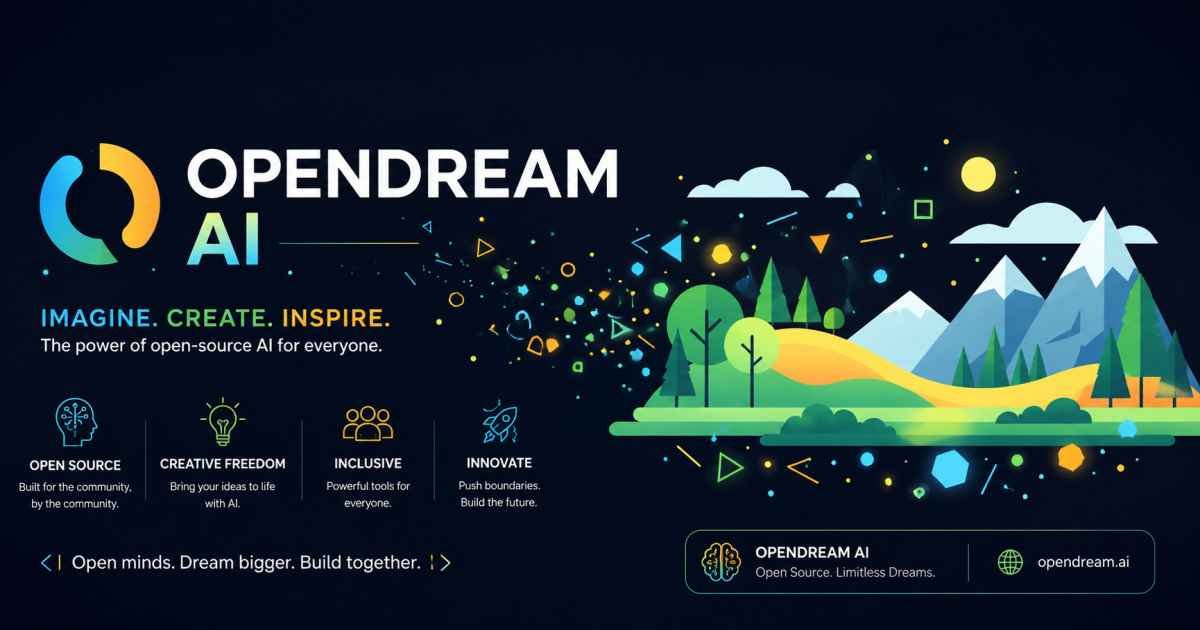
Artificial intelligence has revolutionized digital creativity, enabling anyone to create stunning artwork, illustrations, concept designs, and realistic images with just a few simple text prompts. Among the growing number of AI image generators, OpenDream AI has become a popular platform for artists, designers, marketers, content creators, and hobbyists looking to generate high-quality visuals quickly and efficiently.
In 2026, OpenDream AI continues to attract users because of its user-friendly interface, diverse artistic styles, customization options, and fast image generation capabilities. Whether you’re creating fantasy artwork, product mockups, social media graphics, or concept art, OpenDream AI offers powerful tools that simplify the creative process.
This comprehensive guide explains what OpenDream AI is, how it works, its key features, benefits, pricing considerations, limitations, and best practices for getting the most from the platform.
What Is OpenDream AI?
OpenDream AI is an AI-powered image generation platform that creates original artwork from text prompts. Users simply describe the image they want, and the AI produces unique visuals in a matter of seconds or minutes, depending on the selected settings.
The platform relies on advanced generative artificial intelligence and diffusion models, which interpret written descriptions and convert them into digital artwork.
OpenDream AI is widely used for:
- Digital illustrations
- Fantasy art
- Anime-style images
- Character design
- Game concept art
- Marketing graphics
- Book covers
- Social media visuals
- Creative brainstorming
- Personal artistic projects
Its accessibility makes it suitable for both beginners and experienced digital creators.
Why Is OpenDream AI Popular in 2026?
The demand for AI-generated artwork has continued to grow, and OpenDream AI has benefited from several industry trends.
Easy-to-Use Interface
Users can generate impressive artwork without advanced graphic design skills.
Rapid Image Creation
Instead of spending hours creating artwork manually, users can generate multiple concepts within minutes.
Wide Variety of Art Styles
OpenDream AI supports numerous artistic styles, allowing creators to experiment with different visual approaches.
Growing Creator Economy
Content creators, bloggers, YouTubers, marketers, and entrepreneurs increasingly rely on AI-generated visuals to support their online content.
Creative Experimentation
Artists often use OpenDream AI to explore ideas, visualize concepts, and overcome creative blocks.
Key Features of OpenDream AI
OpenDream AI provides a variety of tools that make AI-powered image generation flexible and efficient.
Text-to-Image Generation
Users describe an image using natural language, and the AI transforms the prompt into original artwork.
Multiple Artistic Styles
The platform supports various styles, including:
- Realistic artwork
- Digital painting
- Fantasy illustrations
- Anime-inspired designs
- Science fiction concepts
- Abstract art
- Oil painting effects
- Watercolor aesthetics
Prompt Customization
Users can refine prompts with descriptive details related to:
- Lighting
- Colors
- Composition
- Camera angles
- Backgrounds
- Character appearance
- Artistic mood
High-Resolution Outputs
Many generated images can be created in higher resolutions suitable for presentations, websites, digital publishing, and creative projects.
Creative Iteration
Users can generate multiple versions of the same concept to compare different artistic interpretations.
How OpenDream AI Works
The platform simplifies image generation into several straightforward steps.
Step 1: Enter a Prompt
Describe the desired image as clearly as possible.
Example:
“A futuristic city at sunset with flying vehicles, cinematic lighting, and ultra-realistic architecture.”
Step 2: Choose Style Options
Users may select different artistic styles or generation settings depending on the desired outcome.
Step 3: Generate Images
The AI processes the prompt and produces one or more original images based on the provided description.
Step 4: Refine Results
If necessary, users can adjust prompts, modify details, or regenerate images until they achieve the preferred result.
Benefits of Using OpenDream AI
OpenDream AI offers numerous advantages for creators across different industries.
Some of the most important benefits include:
- Fast image creation
- No advanced artistic skills required
- Increased creative productivity
- Idea visualization
- Cost-effective concept generation
- Support for multiple artistic styles
- Efficient content creation
- Creative inspiration
- Flexible design experimentation
- Accessible online platform
These advantages make it an appealing solution for both personal and professional creative work.
Pricing, Limitations, and Responsible Use
Like many AI creative platforms, OpenDream AI may offer a combination of free access and premium subscription plans, with paid tiers typically providing additional features such as faster generation speeds, higher image limits, advanced customization, or improved output quality.
However, users should also understand certain limitations.
Prompt Quality Matters
The quality of generated images largely depends on how detailed and specific the prompt is.
Occasional Inaccuracies
Complex prompts may produce unexpected or imperfect results, requiring additional refinements.
Copyright and Licensing
Before using AI-generated images for commercial purposes, users should carefully review the platform’s current licensing terms and usage policies.
Ethical Considerations
Creators should use AI responsibly by respecting intellectual property rights, avoiding misleading content, and following applicable laws and platform guidelines.
Best Practices for Getting Better Results
To maximize the quality of images generated with OpenDream AI, consider these recommendations:
- Write clear and detailed prompts.
- Specify artistic style, lighting, colors, and composition.
- Generate multiple variations before choosing a final design.
- Experiment with different descriptive keywords.
- Combine AI-generated concepts with human editing when needed.
- Use high-resolution settings for professional projects.
- Stay informed about updates and new platform features.
Developing strong prompt-writing skills often leads to significantly better visual results.
Frequently Asked Questions About OpenDream AI
Is OpenDream AI free?
OpenDream AI generally offers free access with optional premium features, though available plans and limits may change over time.
Can beginners use OpenDream AI?
Yes. Its intuitive interface makes it accessible even for users with no prior graphic design experience.
What types of images can I create?
Users can generate fantasy art, realistic scenes, anime illustrations, landscapes, concept art, marketing graphics, character designs, and more.
Can OpenDream AI be used commercially?
Commercial use depends on the platform’s current licensing terms and subscription plan, so users should verify usage rights before publishing or selling AI-generated images.
Does OpenDream AI replace professional artists?
No. OpenDream AI is best viewed as a creative tool that assists artists, designers, and creators by accelerating idea generation and visual experimentation rather than replacing human creativity.
Conclusion
OpenDream AI has established itself as one of the leading AI image generation platforms in 2026, empowering users to transform simple text prompts into visually compelling artwork within minutes. Its combination of advanced generative AI, multiple artistic styles, user-friendly design, and rapid image creation makes it valuable for artists, marketers, businesses, educators, and content creators alike.
While AI-generated imagery offers incredible creative possibilities, the best results come from combining well-crafted prompts, human creativity, and responsible usage. Whether you’re producing digital illustrations, concept art, marketing visuals, or personal creative projects, OpenDream AI provides an efficient and inspiring way to explore the expanding world of AI-powered visual design in 2026.

Artificial intelligence has transformed the way businesses operate, create content, analyze markets, and automate workflows. One of the fastest-growing concepts in the digital economy is AI arbitrage. In 2026, entrepreneurs, freelancers, agencies, and online business owners are increasingly using AI arbitrage to generate income by combining AI-powered tools, automation, and existing market opportunities.
Unlike traditional arbitrage, which focuses on buying low and selling high, AI arbitrage involves using artificial intelligence to create value more efficiently than competitors. This could mean producing content faster, automating repetitive tasks, identifying pricing inefficiencies, or delivering services at scale while maintaining quality.
This comprehensive guide explains what AI arbitrage is, how it works, its benefits, popular business models, challenges, and best practices for success in 2026.
What Is AI Arbitrage?
AI arbitrage is the practice of using artificial intelligence to identify opportunities, automate work, reduce costs, or increase efficiency, allowing individuals or businesses to earn profits from the difference between value created and value delivered.
Instead of relying solely on manual labor, AI arbitrage leverages tools powered by machine learning, natural language processing (NLP), computer vision, predictive analytics, and automation to complete tasks more quickly and at lower cost.
Common examples include:
- AI-assisted content creation
- Automated customer support
- Digital marketing optimization
- Data analysis and reporting
- Website development with AI
- Video and image generation
- Translation and localization
- Workflow automation for businesses
The core idea is simple: use AI to deliver solutions more efficiently while charging clients for the value provided.
Why Is AI Arbitrage Trending in 2026?
The popularity of AI arbitrage has grown rapidly due to advances in artificial intelligence and the increasing demand for digital services.
Several factors are driving this trend:
Rapid Improvement in AI Tools
Modern AI platforms can generate text, images, videos, code, presentations, and data insights within minutes.
Growing Demand for Automation
Businesses want to automate repetitive tasks to improve productivity and reduce operational costs.
Lower Startup Costs
Many AI-powered businesses can be launched with minimal upfront investment, making entrepreneurship more accessible.
Remote Work Expansion
Freelancers and agencies can now serve global clients using AI-assisted workflows.
Scalable Business Models
AI enables entrepreneurs to handle more projects without proportionally increasing staff or expenses.
How AI Arbitrage Works
Although business models vary, most AI arbitrage strategies follow a similar process.
Step 1: Identify Market Demand
Research industries where businesses need faster or more affordable solutions.
Examples include:
- Content marketing
- Graphic design
- Social media management
- Customer service
- Data entry
- SEO optimization
- Video editing
Step 2: Use AI to Improve Efficiency
AI tools help automate research, drafting, analysis, editing, coding, and creative production, reducing the time required for each project.
Step 3: Add Human Expertise
Successful AI arbitrage is not simply copying AI output. The best providers review, refine, customize, and quality-check the results before delivering them.
Step 4: Deliver Value
Clients pay for outcomes, expertise, reliability, and convenience—not merely for the AI tools themselves.
Popular AI Arbitrage Business Models
There are many ways to build a business around AI arbitrage in 2026.
AI Content Creation Agency
Provide:
- Blog articles
- Website copy
- Product descriptions
- Email campaigns
- SEO content
- Social media posts
AI speeds up drafting, while human editing ensures originality and quality.
Marketing Automation
Use AI to create advertising campaigns, analyze customer behavior, optimize keywords, and improve conversion rates.
AI-Powered Design Services
Generate logos, marketing graphics, presentations, thumbnails, and promotional materials while adding professional refinements.
Website and App Development
Developers use AI-assisted coding tools to build websites and applications faster while maintaining coding standards.
Business Process Automation
Help organizations automate scheduling, document management, reporting, customer support, and internal workflows.
Research and Data Analysis
AI can summarize reports, analyze trends, organize datasets, and generate business insights more efficiently than manual methods.
Benefits of AI Arbitrage
The appeal of AI arbitrage lies in its ability to combine technology with entrepreneurship.
Major benefits include:
- Higher productivity
- Lower operating costs
- Faster project delivery
- Improved scalability
- Increased profit margins
- Enhanced customer service
- Access to global markets
- Greater business flexibility
For many entrepreneurs, AI acts as a productivity multiplier rather than a replacement for human expertise.
Challenges and Ethical Considerations
While AI arbitrage offers exciting opportunities, it also comes with important responsibilities.
Quality Control
AI-generated content should always be reviewed for accuracy, clarity, and factual correctness.
Originality
Businesses should avoid plagiarism and ensure all work complies with copyright laws and licensing requirements.
Transparency
Some clients may expect disclosure when AI tools are used in content creation or workflow automation.
Data Privacy
Sensitive customer information should only be processed using secure, trusted AI platforms that comply with relevant privacy regulations.
Continuous Learning
AI technology evolves rapidly, requiring professionals to stay updated with new tools, best practices, and industry standards.
Best Practices for Success with AI Arbitrage
To build a sustainable AI arbitrage business in 2026, consider these strategies:
- Focus on solving real business problems rather than simply using AI.
- Choose reliable AI platforms with strong security and support.
- Combine automation with human creativity and expertise.
- Develop specialized knowledge in a niche industry.
- Deliver consistent quality and excellent customer service.
- Stay informed about AI regulations and ethical guidelines.
- Invest in ongoing learning as AI capabilities continue to evolve.
Businesses that balance automation with professional judgment are more likely to build long-term trust and success.
Frequently Asked Questions About AI Arbitrage
Is AI arbitrage legal?
Yes. Using AI to improve productivity and deliver legitimate services is legal, provided you comply with copyright, privacy, and consumer protection laws.
Do I need programming skills?
No. Many modern AI tools are designed for users without coding experience, although technical knowledge can expand your opportunities.
Can beginners start an AI arbitrage business?
Yes. Beginners often start with content creation, marketing assistance, design, or automation services before expanding into more advanced solutions.
Is AI arbitrage passive income?
Not entirely. While AI automates many tasks, successful businesses still require human oversight, client communication, quality assurance, and strategic decision-making.
Will AI replace human professionals?
AI is more likely to augment human work than replace it completely. Professionals who combine AI with expertise, creativity, and problem-solving skills remain highly valuable.
Conclusion
AI arbitrage is one of the most promising business models of 2026, enabling entrepreneurs to use artificial intelligence as a force multiplier for productivity, efficiency, and innovation. By combining AI-powered automation with human expertise, businesses can deliver high-quality services faster, reduce costs, and scale operations more effectively than ever before.
Whether you’re a freelancer, agency owner, marketer, developer, or aspiring entrepreneur, AI arbitrage offers numerous opportunities to create value in a rapidly evolving digital economy. The key to long-term success is not simply using AI—it is using it responsibly, ethically, and strategically while continuing to provide genuine expertise and exceptional customer experiences. Those who embrace this balanced approach will be well-positioned to thrive in the AI-driven marketplace of 2026.

The internet is constantly introducing new names, brands, platforms, and digital concepts. One keyword that has started attracting attention is TVLIO. Whether you discovered it through an online search, social media discussion, technology forum, or digital marketplace, understanding what TVLIO represents is important before drawing conclusions.
Because TVLIO is still an emerging or relatively unknown term in 2026, there is limited publicly verified information available. However, that has not stopped people from searching for it. Many users want to know whether TVLIO is a technology platform, software solution, online service, digital brand, startup, media project, or future innovation.
This guide explores everything currently known about TVLIO, its possible applications, why people are searching for it, and what its future could look like in the evolving digital landscape.
What Is TVLIO?
TVLIO is an emerging digital keyword that has begun appearing across various online searches and discussions in 2026. While there is no universally recognized definition or officially established identity at the time of writing, TVLIO appears to represent a modern digital concept that could develop into a recognizable technology brand or online platform.
As with many new internet terms, TVLIO may refer to:
- A startup or technology company
- A software platform
- A digital media service
- An AI-powered application
- A cloud-based solution
- A future online ecosystem
- A proprietary business name
Since verified public information remains limited, users should rely only on official announcements before assuming any specific functionality.
Why Is TVLIO Gaining Attention in 2026?
Several factors explain why searches for TVLIO have increased throughout 2026.
Growing Curiosity
New digital names often spread rapidly through:
- Technology blogs
- Social media platforms
- Startup communities
- Business discussions
- Product launches
- AI-related conversations
Many users search simply because they encounter the name and want to understand its purpose.
Branding Potential
The name TVLIO is:
- Short
- Easy to remember
- Modern sounding
- Unique
- Suitable for global branding
These qualities make it ideal for technology companies seeking a distinctive identity.
AI and Technology Boom
The continued expansion of artificial intelligence, cloud computing, automation, and digital services has increased demand for innovative platforms. Many people naturally associate unfamiliar names like TVLIO with next-generation technology products.
Possible Uses of TVLIO
Although there is no confirmed official classification, TVLIO could fit several categories depending on its future development.
Digital Productivity Platform
TVLIO could become a workspace for:
- Project management
- Team collaboration
- Document sharing
- Workflow automation
- Business communication
AI-Powered Service
Artificial intelligence dominates software development in 2026. TVLIO could eventually include features such as:
- AI assistants
- Content generation
- Task automation
- Predictive analytics
- Smart recommendations
Cloud-Based Software
Modern businesses increasingly rely on cloud infrastructure. TVLIO may evolve into a platform that enables users to securely access data from anywhere.
Media or Content Platform
The name also fits a digital media ecosystem supporting:
- Video content
- Streaming
- Educational resources
- Creative publishing
- Community engagement
Business Solutions
TVLIO could serve organizations by providing tools for:
- Customer relationship management
- Marketing automation
- Analytics
- Scheduling
- Resource planning
Until official documentation becomes available, these remain possible applications rather than confirmed features.
Key Characteristics That Make TVLIO Stand Out
Even with limited public information, several qualities make TVLIO an interesting digital keyword.
Modern Branding
A successful technology name should be:
- Simple
- Professional
- Global
- Easy to pronounce
- Memorable
TVLIO checks many of these boxes.
Flexible Identity
Unlike highly specific names, TVLIO is versatile enough to represent multiple industries, including:
- Technology
- Artificial intelligence
- SaaS
- Education
- Finance
- Healthcare
- Media
- E-commerce
Future Scalability
Modern digital companies often begin with one product before expanding into complete ecosystems. TVLIO’s branding could support this type of long-term growth.
International Appeal
The concise structure makes TVLIO suitable for users worldwide without obvious language barriers.
Benefits a Platform Like TVLIO Could Offer
If TVLIO develops into a complete digital platform, users may expect advantages commonly found in modern software ecosystems.
Improved Productivity
Automation and intelligent workflows can help users:
- Save time
- Reduce repetitive work
- Increase efficiency
- Organize information more effectively
Better Collaboration
Cloud-based systems allow teams to work together regardless of location.
Potential collaboration tools could include:
- Shared workspaces
- Live editing
- Messaging
- File management
- Task tracking
Security
Modern digital platforms typically emphasize:
- Encrypted connections
- User authentication
- Data privacy
- Access controls
- Regular security updates
AI Integration
Artificial intelligence is becoming a standard feature across nearly every industry. TVLIO could eventually leverage AI to simplify decision-making and automate routine tasks.
How to Evaluate TVLIO Safely
Whenever researching an emerging platform, users should take a careful approach.
Consider the following best practices:
- Verify information through official announcements.
- Avoid downloading software from unknown sources.
- Confirm website authenticity before registering.
- Read independent reviews when available.
- Review privacy policies and terms of service.
- Protect personal information until legitimacy is confirmed.
These steps help reduce the risks associated with newly emerging digital brands.
The Future of TVLIO
Technology evolves rapidly, and many globally recognized companies started as little-known names before achieving widespread adoption.
If TVLIO continues to develop, it could expand into areas such as:
- Artificial intelligence
- Business software
- Cloud computing
- Digital collaboration
- Automation
- Enterprise solutions
- Content management
- Online services
Its future success will ultimately depend on factors including innovation, user experience, security, transparency, and the ability to solve real-world problems.
As organizations continue embracing digital transformation, there remains significant opportunity for new platforms that improve productivity, simplify workflows, and integrate intelligent technologies.
Conclusion
TVLIO is an emerging digital term generating increasing interest in 2026. Although publicly verified information about its exact purpose remains limited, its modern branding and flexible identity suggest strong potential within the technology sector.
Whether TVLIO becomes a software platform, AI-powered solution, cloud service, digital marketplace, productivity tool, or business ecosystem, it represents the type of innovative branding increasingly common in today’s fast-moving digital economy.
For now, users should treat TVLIO as an evolving concept and rely on official information as it becomes available. Staying informed through trusted sources will ensure accurate understanding while avoiding speculation. As the digital landscape continues to evolve, TVLIO is a name worth watching in the years ahead.


Video Viral Indo: Panduan Lengkap Memahami Tren Video Viral Indonesia

Cadillac Small SUV: Models, Features, and Complete Buying Guide

Roof Cricket Installation: Complete Guide to Design, Materials, and Proper Installation

Sharon Mobley Stow: The Private Life of Jim Acosta’s Ex-Wife, Her Career as a Nurse, and Life After a High-Profile Divorce

Vertippdich.de: The Ultimate Guide to eBay Typo Bargains

Inventive LWMFCrafts: 7 Transformative Projects to Unleash Family Creativity and Master the Art of Low-Mess Making
 Business3 months ago
Sharon Mobley Stow: The Private Life of Jim Acosta’s Ex-Wife, Her Career as a Nurse, and Life After a High-Profile Divorce
- Digital3 months ago
Vertippdich.de: The Ultimate Guide to eBay Typo Bargains
- Crafts3 months ago
Inventive LWMFCrafts: 7 Transformative Projects to Unleash Family Creativity and Master the Art of Low-Mess Making
- Tech3 months ago
MataRecycler: The Definitive Guide to AI-Powered Smart Recycling and the Future of Waste Management
- Sports3 months ago
Dave Nevison Tips: The Professional Gambler’s Guide to Value Betting
- Sports2 months ago
Little Oakley FC: A Complete Guide to the Community Football Club in
- Tech2 months ago
TVLIO in : The Complete Guide to Its Meaning, Uses, Features, and Future
- home3 months ago
blog home ideas thehometrotters: Transform Your Living Space with TheHomeTrotters