Connect with us

Fashion

The Ultimate Guide to Hakama Pants: History, Style, and How to Wear Them

Published

on

hakama pants

The Ultimate Guide to Hakama Pants: History, Style, and How to Wear Them
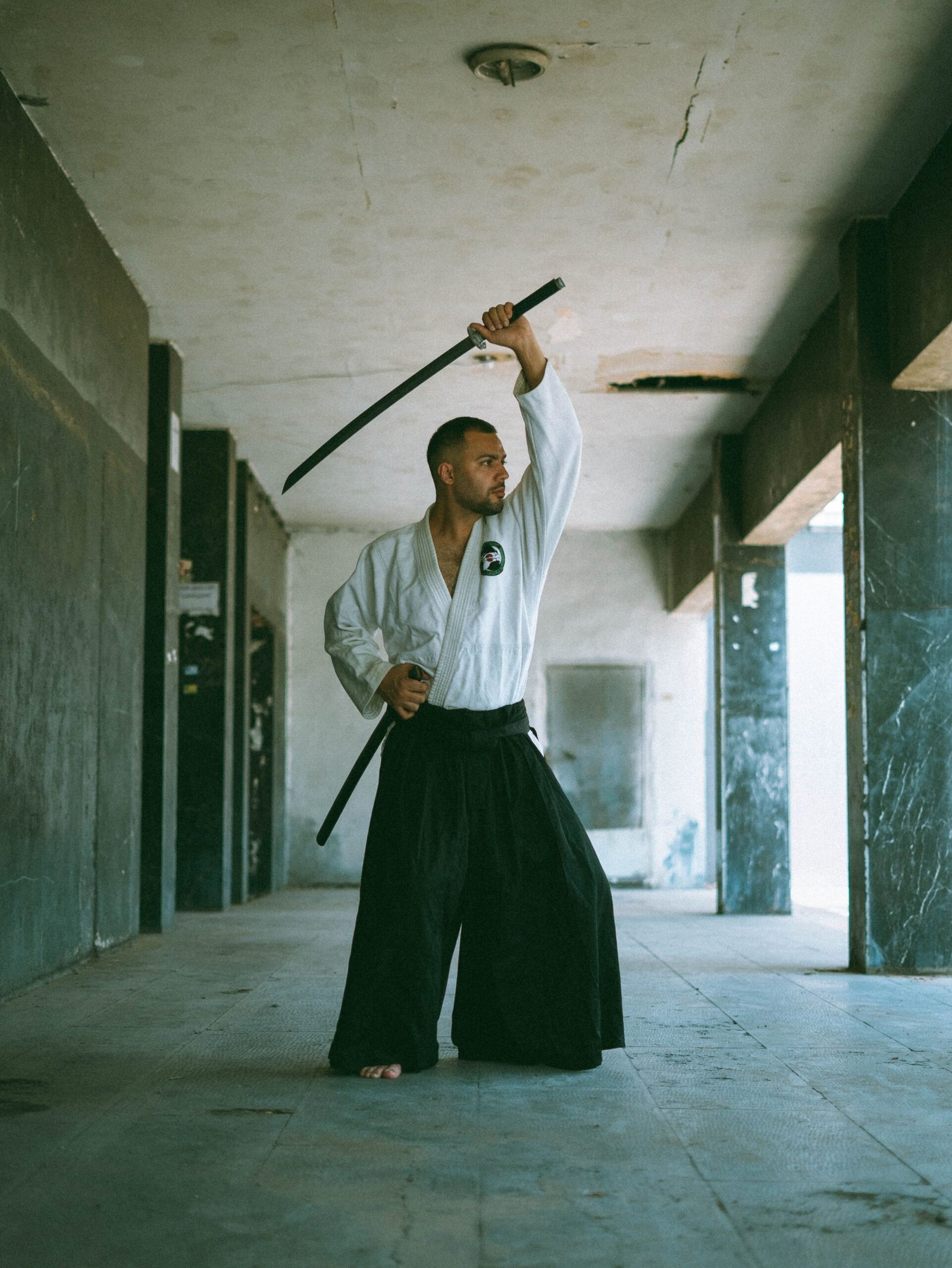
In the ever-evolving world of fashion, few garments possess the timeless appeal and cross-cultural versatility of hakama pants. Once the exclusive domain of Japanese samurai and aristocrats, these distinctive, pleated trousers have transcended their traditional roots to become a global fashion phenomenon. Today, they are celebrated for their unique silhouette that effortlessly blends the elegance of a skirt with the practicality of trousers. This guide delves deep into the world of hakama pants, exploring their rich history, modern-day revival, and how to style them for any occasion, ensuring you can wear this iconic piece with confidence and flair.

What are Hakama Pants? A Journey Through History

To truly appreciate the hakama, one must first understand its origins. Hakama are a type of traditional Japanese garment with a long and storied history, first mentioned in ancient texts like the Kojiki and Nihon Shoki. Initially, these were practical garments worn over a kimono, but over centuries, they evolved into a symbol of status and formality. Historically, they were worn by the samurai class, with the wide, flowing legs allowing for a full range of motion essential for combat and horseback riding. The pleats of the hakama are not merely decorative; they hold deep cultural significance. According to tradition, the five pleats in the front of a hakama represent the five virtues: benevolence, justice, courtesy, wisdom, and integrity.

Hakama differ fundamentally from ordinary pants in their construction and function. While modern trousers are two separate legs joined at a crotch seam, a hakama is a traditional pleated lower garment tied on with long straps, known as himo, and often supported by a stiffened backboard or koshi-ita. They are worn as an outer layer over a kimono, martial arts gi, or other base clothing. This construction, combined with the traditional ties, creates a garment that hangs with a formal, vertical drape that is distinct from the way standard trousers sit on the body.

The Modern Renaissance: Hakama Pants in Contemporary Fashion

While deeply connected to martial arts and ceremonial dress, the hakama has found a new life in contemporary fashion. Designers and fashion houses have reinterpreted this classic garment, bringing its dramatic silhouette to streetwear and high fashion runways. This modern take often uses lighter, more breathable fabrics like cotton, polyester, or blends, making them more suitable for everyday wear. The result is a garment that offers the elegance of a flowing skirt with the ease and confidence of a pair of pants, appealing to anyone seeking a unique and sophisticated look.

The shift from a traditional garment to a modern wardrobe staple is a testament to the hakama’s versatility. Modern hakama pants, as seen in various fashion collections, are being crafted with a focus on comfort and practicality, incorporating deep pockets, easy-care fabrics, and elastic or tie-waist closures. This blend of heritage and modern design has sparked a cult following, particularly within the Harajuku fashion scene, where wearers are known for their bold, expressive style that blends historic clothing with subcultural trends.

Hakama Pants vs. Wide-Leg Pants: Understanding the Difference

It’s easy to mistake a pair of wide-leg pants for a hakama, but the two are fundamentally different. While wide-leg pants are designed like traditional trousers with a waistband and a single connection at the crotch, hakama are constructed as an over-garment meant to be tied at the waist and often feature a backboard for structure. The drape is also different: wide-leg pants move with the hips, whereas a hakama hangs from the waist ties, creating a more formal, clean, and vertical line. This distinction is crucial for understanding the garment’s function and history. In essence, if you want the flowing look of a hakama without the authentic construction and ceremonial ties, wide-leg pants offer an easier daily alternative. But for the true silhouette and cultural authenticity, the hakama is the genuine article.

How to Wear and Style Hakama Pants

One of the greatest appeals of the modern hakama pant is its incredible versatility. It can be styled to suit a wide range of settings, from a corporate office to a casual day out.

For a sophisticated office look, you can style a pair of minimalist hakama pants with a timeless, fitted top like a simple button-down shirt or a sleek turtleneck. Adding a pair of comfortable heels can elongate your silhouette, creating a powerful and polished “corporate girl boss” aesthetic. The key is to avoid pairing the pants with another overly loose garment, as the voluminous pants should be the star of the outfit.

For a casual yet stylish everyday look, comfort is paramount. Style pleated hakama pants with a shirt that has visual interest, like one with balloon sleeves, and add a statement belt to define your waist. Complete the outfit with comfortable loafers or dress shoes, creating an effortlessly put-together look that is far more interesting than just jeans and a t-shirt.

If you’re looking to make a bold fashion statement, embrace the dramatic silhouette of hakama pants for an edgy streetwear look. Pair them with a corset top and a sheer jacket for an eye-catching ensemble. Chunky boots and edgy accessories, like a silver choker, will complete the look. For a more traditional approach, you can layer a haori jacket over a fitted top to create a complete Japanese-inspired ensemble that honors the garment’s samurai heritage.

A Buying Guide for Your Hakama Pants

When choosing hakama pants, there are a few key factors to consider to ensure you get a pair that fits well and suits your needs.

Size and Fit: One of the most common mistakes when buying hakama pants is not choosing the right size, particularly when shopping from Japanese or Asian brands, which often have a different fit. A general rule of thumb is to select 1-2 sizes larger than your usual Western size. The waist of traditional hakama sits higher than trousers, and the ties must be long enough to wrap and secure properly. Pay close attention to the measurements provided by the brand, especially the thigh and calf width, as these will affect how the garment drapes and moves.

Material: The material you choose will significantly impact the comfort, look, and care requirements of your hakama. Traditional hakama are often made from cotton, which is heavy, comfortable, and absorbs sweat well but requires more maintenance and can be prone to wrinkling. For everyday wear, many modern hakama are made from polyester blends (like tetron), which are lighter, machine-washable, and hold their pleats without much ironing. Cotton hakama are breathable and comfortable for all-day wear, while polyester blends are easy to care for and more durable.

Care and Maintenance

Maintaining the crisp pleats of your hakama is key to preserving its elegant silhouette. After wearing, it’s often recommended to hang your hakama by its straps to allow the pleats to fall naturally. When it comes to washing, always check the care label. Many modern hakama made from polyester are machine washable on a delicate cycle. Cotton hakama, however, often require hand washing or a very gentle cycle and should be hung to dry to prevent shrinkage and maintain the pleats. Folding your hakama along the pleats after washing and hanging it to dry will help preserve its lines and form for years to come.

Conclusion

Hakama pants are far more than just a fashion trend; they are a piece of living history that has been masterfully reimagined for the modern wardrobe. Their unique ability to combine the elegance of a skirt with the functionality of trousers, all while carrying centuries of cultural significance, makes them a truly special garment. Whether you are a martial arts practitioner seeking an authentic uniform, a fashion enthusiast looking for a bold statement piece, or simply someone who values unique, comfortable clothing with a story to tell, hakama pants offer a world of style and sophistication. By understanding their history and knowing how to style and care for them, you can confidently add this versatile piece to your collection and wear it with the respect and flair it deserves.

Frequently Asked Questions (FAQ)

1. What are hakama pants?
Hakama are traditional Japanese garments that resemble wide, pleated trousers. They are tied on with straps and were historically worn by samurai and aristocrats, representing status and formality.

2. Are hakama pants unisex?
Yes, many modern hakama pants are designed to be unisex, suitable for both men and women. They are available in a wide range of sizes to accommodate different body types.

3. How do I style hakama pants for a casual look?
For a casual look, pair your hakama with a comfortable, fitted top or a shirt with interesting details like balloon sleeves. Accessorize with a belt to define your waist and finish with loafers or clean sneakers for an effortlessly stylish outfit.

4. Can I wear hakama pants to work?
Absolutely. Choose a pair in a neutral color, like black or navy, made from a structured fabric. Pair them with a professional, fitted top like a button-down shirt or a turtleneck and add a pair of heels. This creates a modern, polished, and “powerful” office look.

5. What is the difference between hakama pants and wide-leg pants?
The main difference is the construction. Hakama are an over-garment tied on with straps and often have a backboard, creating a distinct drape. Wide-leg pants are standard trousers with a waistband and crotch seam, moving with the hips.

6. Are cotton hakama pants better than polyester?
It depends on your needs. Cotton is breathable and comfortable for all-day wear but requires more maintenance (hand-washing, ironing). Polyester (tetron) is low-maintenance, machine-washable, and holds its pleats well, but may not be as breathable.

Continue Reading

Fashion

Lily Allen Nude: A Comprehensive Analysis of Celebrity Image, Empowerment, and the Digital Gaze

Published

on

lily allen nude

Introduction

In the contemporary digital landscape, few figures embody the complex intersection of celebrity, personal autonomy, and public scrutiny quite like Lily Allen. The British singer-songwriter, who first burst onto the scene in 2006 with her chart-topping debut Alright, Still, has consistently defied easy categorization throughout her career. Now, as she experiences a remarkable renaissance with her critically acclaimed album West End Girl, Allen finds herself at the center of renewed conversation—conversation that often fixates on themes of nudity, sexuality, and the performance of self in the public eye. This article delves deep into the multifaceted relationship between Lily Allen’s public persona, her deliberate engagement with provocative imagery, and the broader cultural implications of how we consume and discuss female celebrity bodies. By examining Allen’s career trajectory through the lens of modern celebrity SEO and digital reputation management, we uncover the sophisticated strategies behind her seemingly unfiltered public appearances and understand why the phrase “Lily Allen nude” continues to generate significant search interest in 2026. Her journey from MySpace sensation to theatrical performer and podcast host reveals a deliberate, nuanced approach to fame that challenges traditional narratives about female celebrities and their bodies.

The Evolution of Lily Allen’s Public Persona

Lily Allen’s relationship with her public image has undergone a profound evolution over the past two decades, shaped by changing cultural norms, personal growth, and the ever-watchful eye of the digital public sphere. Born into London showbiz royalty as the daughter of actor Keith Allen and film producer Alison Owen, Allen leveraged the nascent power of social media—specifically MySpace—to launch her career in a way that was revolutionary for its time. This early adoption of direct-to-fan communication established a precedent for the unfiltered, authentic connection that would define her relationship with her audience. Throughout the years, Allen has navigated the treacherous waters of tabloid scrutiny, experiencing both the heights of pop stardom and the depths of personal struggle, including traumatic stillbirth, addiction, and the collapse of her marriage to Stranger Things actor David Harbour. The publication of her memoir, My Thoughts Exactly, and the launch of her podcast Miss Me? with childhood friend Miquita Oliver have further cemented her reputation as a figure willing to expose vulnerability. This willingness to be seen—in all her complexity—has paradoxically fueled public curiosity about her physical form, with searches for “Lily Allen nude” representing not merely prurient interest but a broader fascination with a woman who refuses to be hidden or silenced. Her recent album, West End Girl, chronicles the breakdown of her marriage with stunning candor, featuring lyrics that reference everything from butt plugs to the incel platform 4Chan, demonstrating an artistic commitment to radical honesty that few of her contemporaries are willing to match.

The Digital Gaze and Celebrity Image Management

In the age of digital media, the public’s relationship with celebrity nudity has become increasingly complex, driven by a potent combination of accessibility, voyeurism, and shifting cultural attitudes toward the human body. Lily Allen has navigated this landscape with a combination of strategic engagement and deliberate boundary-setting, understanding that in the attention economy, controlling one’s own narrative is paramount. Her confession on the Miss Me? podcast that she has “never sent a nude to anyone” offers a revealing counterpoint to the public’s persistent curiosity about her physical form. This admission, delivered with characteristic humor as she jokingly referred to herself and Oliver as “nude prudes,” complicates the public narrative that assumes female celebrities are freely distributing intimate imagery in the digital age. The discussion about sexting and the appropriate responses to receiving nude images—questioning whether a response like “wow your t**s are amazing” or a simple heart emoji is preferable—reveals Allen’s willingness to engage with these topics on her own terms, demystifying the experience of celebrity dating in the process. This approach aligns with broader celebrity SEO tactics that leverage trending moments to increase visibility, as digital marketing experts note that celebrities experience sudden spikes in online searches when they make candid revelations about their personal lives. Allen’s team likely understands that by controlling the conversation around nudity and sexuality—addressing it directly in podcast conversations rather than allowing tabloids to speculate—they can shape the narrative that appears in search results. This strategic approach to reputation management is increasingly common among public figures who understand that the digital landscape rewards authenticity while punishing evasion.

Lily Allen and the Bold Self-Expression of West End Girl

The release of West End Girl represents a watershed moment in Lily Allen’s career, marking not only her artistic maturity but also her embrace of provocative self-expression as a deliberate aesthetic and commercial strategy. The album, which Allen wrote in a frenzied 10-day period while her marriage was collapsing, has been hailed as a masterpiece and earned her Brit nominations for Best Artist and Best Album. Its lyrics are unflinchingly explicit, detailing the breakdown of her relationship with references to her husband’s “pussy palace” in the West Village, complete with a Duane Reade bag filled with condoms and sex toys. This level of candor is not accidental but represents a calculated artistic choice that leverages the power of shock value to command attention in an oversaturated media landscape. Olivia Petter, the journalist and author who analyzed Allen’s cultural impact for British Vogue, observed that “with this album, Lily is cutting herself open and letting the world watch her bleed,” adding that “we rarely see celebrities do that, and it allows people to relate to her, which is why it feels like such powerful art”. The album’s commercial success—topping the Official Albums Downloads Chart and surpassing 150 million global streams—demonstrates that audiences are hungry for this kind of authenticity, even when it makes them uncomfortable. The visual aesthetic accompanying the album has been equally provocative, with Allen photographed in lingerie, low-cut tops, and sheer fabrics, aligning herself with luxury brands like Valentino and Chanel while simultaneously subverting traditional expectations of celebrity glamour. This visual language creates a powerful synergy between her musical output and her public image, reinforcing the themes of female autonomy and sexual agency that permeate the album’s lyrics. For fashion brands, this alignment has proven commercially valuable, with Allen’s appearances generating millions in earned media value, including £3.8 million for Valentino’s couture show alone.

The OnlyFans Phenomenon and Redefining Agency

Perhaps no aspect of Lily Allen’s recent career has generated as much discussion as her decision to join OnlyFans, where she sells pictures of her feet for £8 per month. The move, which might seem surprising for a successful recording artist, actually represents a logical extension of Allen’s long-standing commitment to controlling her own narrative and monetizing her image on her own terms. Describing her decision on the Miss Me? podcast, Allen explained that her pedicurist had informed her she had “five stars” on WikiFeet, an unusually high rating that suggested significant demand for her foot content. Rather than allowing fetishists to enjoy her feet for free, she pragmatically decided to create her own platform for monetizing this interest—a decision that commentators have praised as a savvy business move that demonstrates her understanding of modern economics. As one opinion writer noted, “Unlike the music industry, OnlyFans has a business model that is designed to properly reward the creator,” taking only 20 percent of earnings while allowing creators to retain copyright and remove content at their discretion. This move encapsulates Allen’s broader approach to her career: rather than allowing others to profit from her image, she finds ways to take control and benefit directly. It also reflects the changing dynamics of celebrity in the digital age, where influencers are adopting tactics traditionally used by celebrities to build and maintain their online presence. SEO experts note that creating media-rich, searchable content is essential for maintaining digital visibility, and Allen’s OnlyFans presence—carefully positioned as a lighthearted, self-aware venture rather than a desperate grab for attention—generates precisely the kind of keyword-rich content that drives search interest. The phrase “Lily Allen OnlyFans” has become a significant driver of traffic and discussion, demonstrating how celebrities can transform curiosity about their bodies into controlled, monetizable content. This is celebrity SEO in action: leveraging a trending moment—in this case, her public divorce and personal reinvention—to build long-term visibility and commercial opportunities.

Reputation Management and the Celebrity SEO Playbook

Lily Allen’s approach to her public image exemplifies the sophisticated strategies that modern celebrities employ to manage their digital reputation, particularly when facing sensitive topics like nudity, sexuality, and personal vulnerability. The search for “Lily Allen nude” reflects a broader public curiosity that can be either amplified or redirected through strategic SEO techniques. Digital marketing experts emphasize that celebrity visibility requires capitalizing on trending moments while simultaneously building evergreen content that ensures long-term relevance. Allen has demonstrated mastery of this approach, using her podcast as a platform to address topics like nudity, dating, and body image directly, thereby creating searchable content that reflects her own perspective rather than tabloid speculation. When she revealed on her podcast that she had never sent a nude, she created a spike in search interest that redirected conversation toward her own narrative rather than allowing others to define it. Similarly, her OnlyFans venture transformed what could have been a source of embarrassment into a talking point that reinforced her image as a savvy, autonomous woman in control of her own body and finances. This aligns with recommendations from SEO professionals who advise celebrities to create content that aligns with current trends while ensuring that positive, authentic content ranks higher in search results than negative gossip or misinformation. The “reputation management” aspect of celebrity SEO is particularly important for figures like Allen, who have experienced significant negative press throughout their careers. By consistently producing content that humanizes her—discussing her struggles with addiction, her eating disorder, and her dedication to her children—Allen creates a counter-narrative that pushes down more salacious or misleading content in search results. The podcast, in particular, has been instrumental in this effort, allowing Allen to control the conversation around her past feuds, her relationships, and her personal struggles with far more nuance than tabloid coverage permits.

The Cultural Significance of Celebrity Nudity Discourse

The persistent public interest in phrases like “Lily Allen nude” reveals deeper cultural dynamics around celebrity, gender, and the male gaze that merit critical examination. Lily Allen’s career has been defined in part by her refusal to conform to expectations of how female celebrities should behave, dress, or present themselves. From her early days wearing prom dresses and trainers while swearing like a sailor to her current incarnation as a candid podcast host and theatrical performer, Allen has consistently challenged the notion that female public figures should be demure, agreeable, or easily digestible. Her body has been a particular focus of this scrutiny; she has been criticized both for being “too fat” and, more recently, for being “too thin,” reflecting the impossible standards to which female celebrities are held. By controlling the conversation around her body—through her lyrics, her visual aesthetic, and her deliberate engagement with platforms like OnlyFans—Allen subverts the traditional dynamic in which the public and media define a female celebrity’s physical identity. Her podcast discussions about nudity and sexting serve not as invitations for further scrutiny but as assertions of her autonomy, normalizing conversations that have historically been taboo while maintaining her own boundaries. As one commentator observed, “Women are conditioned to oppress this provocative part of themselves to appease societal stereotypes. West End Girl takes that ideology and gives it the finger,” highlighting the progressive and self-aware nature of Allen’s approach to her public persona. This cultural work is significant in an era when female celebrities are increasingly using their platforms to challenge patriarchal structures, from Taylor Swift’s ownership of her masters to Beyoncé’s visual albums celebrating Black womanhood. Allen’s contribution to this conversation is her insistence on radical honesty and her willingness to monetize—rather than shame—the public’s fascination with her body. The “Lily Allen nude” search is therefore not merely a reflection of voyeurism but a testament to the public’s ongoing fascination with a woman who refuses to be contained by conventional expectations.

Conclusion

Lily Allen’s navigation of the complex terrain of celebrity, nudity, and public perception offers a compelling case study in how modern public figures can leverage the digital landscape to control their own narratives while building sustainable careers. The persistent search for “Lily Allen nude” represents not merely salacious interest but a broader cultural fascination with a woman who has consistently refused to be defined by others’ expectations. Through her candid podcast discussions, her provocative album West End Girl, her strategic use of OnlyFans, and her sophisticated engagement with the media, Allen has demonstrated a mastery of celebrity SEO that few of her peers can match. She has transformed potential vulnerabilities—her willingness to discuss her body, her sexuality, and her personal struggles—into sources of strength, generating search interest that she can direct toward her own projects and platforms. The digital strategies she employs, from creating keyword-rich content that addresses public curiosity directly to building a consistent brand identity across multiple platforms, offer valuable lessons for anyone seeking to build or maintain a public profile in the attention economy. As search algorithms continue to evolve and audiences demand ever-greater authenticity, Allen’s approach of radical honesty combined with strategic self-presentation seems likely to remain effective. Her ability to turn even potentially embarrassing revelations—such as her OnlyFans venture—into talking points that reinforce rather than undermine her brand demonstrates a sophisticated understanding of modern celebrity that will continue to serve her well as her career evolves. In the end, Lily Allen’s relationship with nudity, visibility, and public scrutiny reveals less about her than it does about a culture that remains deeply ambivalent about female agency and self-expression.

Frequently Asked Questions

Is Lily Allen’s OnlyFans account authentic?

Yes, Lily Allen’s OnlyFans account is genuine and was confirmed through her official social media channels. The account, launched in July 2024, features foot content rather than explicit images and is priced at £8 per month. The platform, which retains 20 percent of earnings while allowing creators to maintain copyright, represents Allen’s strategic approach to monetizing public interest in her image while maintaining control over her content.

What has Lily Allen said about sending nude images?

On her podcast Miss Me?, Lily Allen revealed that she has “never sent a nude to anyone,” describing herself as a “nude prude” during a candid discussion about dating and sexting with her co-host Miquita Oliver. The conversation explored the complexities of digital intimacy, questioning what constitutes an appropriate response to receiving nude images and reflecting the evolving norms around technology and relationships.

How has Lily Allen addressed body image and nudity in her work?

Lily Allen has consistently addressed body image and nudity throughout her career, particularly on her album West End Girl, which features explicit discussions of her marriage’s breakdown, and in her willingness to be photographed in lingerie and revealing outfits for fashion campaigns. She has also discussed her struggles with eating disorders and the scrutiny of her weight, presenting a candid perspective on the pressures faced by female celebrities.

What is the significance of Lily Allen joining OnlyFans?

Allen’s decision to join OnlyFans represents a calculated move to control and monetize public interest in her body, demonstrating her understanding of celebrity economics in the digital age. By selling foot content, she subverts expectations of what OnlyFans “should” be while creating a platform that generates income and continues the conversation about female autonomy. The move has been praised by commentators as a pragmatic and self-aware business decision.

How does Lily Allen manage her digital reputation?

Allen employs sophisticated celebrity SEO strategies to manage her digital reputation, including consistent content creation across platforms, direct engagement with topics of public interest, and strategic use of trending moments to drive search interest toward her own projects. Her podcast serves as a controlled platform for addressing sensitive topics, while her album releases and fashion appearances generate media-rich content that ranks highly in search results.

What role does authenticity play in Allen’s career strategy?

Authenticity is central to Allen’s career approach, from her early days using MySpace to connect with fans to her current podcast and album releases. Her willingness to discuss addiction, divorce, and personal struggles in unflinching detail has created a devoted fan base and generated significant search interest, demonstrating the commercial value of authentic self-presentation in the contemporary media landscape.

Continue Reading

Fashion

From TikTok Royalty to Pop’s Boldest New Voice: The Art of addison rae nudes Evolution

Published

on

foc

Introduction

In the ever-shifting landscape of pop culture, few figures embody the modern addison rae nudes journey from digital native to mainstream powerhouse quite like Addison Rae. What began as a series of viral dance videos on TikTok has transformed into a full-fledged pop career marked by bold artistic choices, unapologetic self-expression, and a carefully cultivated image that commands attention. As she transitions from the girl who taught Jimmy Fallon dance moves during the pandemic to a pop star headlining her own era, Rae’s evolution has been nothing short of remarkable—and undeniably provocative. Her recent ventures into fashion campaigns, burlesque performances, and music videos have sparked widespread conversation, cementing her status as a cultural phenomenon whose influence extends far beyond the confines of social media. This article examines the multifaceted rise of Addison Rae, exploring how she has leveraged controversy, fashion, and musical ambition to build an empire that continues to captivate millions.

The TikTok Foundation That Built an Empire

Addison Rae’s ascent to fame began on the dance-driven platform TikTok, where she amassed an staggering following of over 88 million fans, making her the fifth most-followed person on the app. However, for Rae, TikTok celebrity was never the ultimate destination; it was simply the vehicle that would carry her toward larger ambitions. Hailing from Lafayette, Louisiana, Rae recognized early on that social media offered a democratizing pathway to Hollywood that traditional avenues simply could not provide. She used her dance training to build a name for herself on the platform, laying the groundwork for what would become an entertainment career spanning acting, music, and fashion.

The transition from influencer to mainstream entertainer is notoriously difficult, with many digital creators struggling to translate online popularity into lasting cultural relevance. Yet Rae has navigated this challenge with surprising dexterity, understanding that her viral fame was a means to an end rather than an end in itself. Her appearances on “The Tonight Show” alongside Jimmy Fallon during the early pandemic days may have been met with immediate backlash—a common fate for young women achieving rapid internet fame—but Rae wielded that criticism as fuel for her evolution. She understood that to be taken seriously as an artist, she would need to demonstrate depth, versatility, and a willingness to take creative risks that extended beyond the fifteen-second clips that made her famous.

The Provocative Pivot: Fashion Campaigns and Burlesque

Perhaps no element of Rae’s evolution has generated more discussion than her bold embrace of provocative fashion and performance. Her recent campaign for Lucky Brand showcased the star in a series of striking images, including topless shots that generated considerable buzz across social media and entertainment news platforms. The campaign represented a significant departure from her earlier, more wholesome image, positioning her as a confident, sexually aware young woman unafraid to push boundaries. The photographs featured Rae sprawled across theater seats in nothing but a barely-there white bandeau, her taut midriff and toned legs on full display, with some images showing her peeling off her jeans entirely in a moment of playful exhibitionism.

This strategic pivot toward more risqué imagery was not an isolated incident but rather part of a broader artistic repositioning. In June 2025, Rae took the stage at New York City’s The Box for a sultry burlesque performance that left audiences breathless. Clad in nude lingerie, she delivered a hands-on, steamy show filled with stool straddles, breathy moans, and palpable chemistry with her backup dancers. The performance was a collaboration with Spotify for her song “High Fashion,” and it signaled a clear artistic direction: Rae was trading in cutesy TikTok dances for full-blown pop star seduction. As entertainment outlets noted, the “whole steamy siren act is now very much her brand,” suggesting that this provocative persona is not merely a temporary phase but a calculated component of her artistic identity.

The Music: A Serious Pop Debut

Amidst the fashion campaigns and provocative performances, Rae has been diligently building a music career that demands to be taken seriously. Her debut album, simply titled “Addison,” arrived in June 2025 to critical acclaim, with reviewers hailing it as “the pop album of the summer” and “full, stuffed with bejeweled, hypnotic pop songs for the post-‘BRAT’ crowd”. The album represents a significant artistic achievement, featuring twelve tracks that showcase Rae’s vocal abilities and her capacity to craft compelling pop narratives. Co-written and produced alongside Luka Kloser and Elvira Anderfjärd, the album benefits from an unusually small creative team for a major label release, lending it an intimacy that distinguishes it from more heavily produced pop offerings.

The album’s tracklist reveals a thematic preoccupation with fame, desire, and self-discovery. Songs like “Diet Pepsi,” which cracked the Billboard Hot 100, and “High Fashion” demonstrate Rae’s ability to create ear-worm hooks that resonate with listeners. Critics have noted echoes of Britney Spears in her journey—both artists hail from Louisiana, achieved fame young, and recorded layered pop music in Stockholm with ties to producer Max Martin. There are also comparisons to Lana Del Rey and Charli XCX, suggesting that Rae is drawing from a rich tapestry of pop influences while forging her own path. Her album rollout was characteristically inventive, utilizing underwear to reveal the release date at Coachella and later using a rack of panties with song titles written on them to unveil the complete tracklist.

Fashion as Artistic Expression

Beyond her music and provocative performances, Rae has demonstrated a keen understanding of fashion’s power as artistic expression. Her relationship with Intimissimi, for instance, created significant buzz when she wore the brand’s “The Sensual Cotton” top in her “Headphones On” music video. The nude-colored, long-sleeved top quickly became a viral sensation, with TikTok users declaring it the “perfect top” for spring and summer. Priced accessibly at under 40 euros, the piece embodied the kind of second-skin effect that resonated with Rae’s generation, who value clothing that feels both intimate and fashionable.

This fashion sensibility extends to her personal style and public appearances, where she consistently pushes boundaries while maintaining a sense of accessibility. The Lucky Brand campaign, while controversial, showcased her understanding of how fashion imagery can command attention and generate conversation. By following in the footsteps of stars like Sydney Sweeney—though with a notably safer tagline—Rae demonstrated that she understands the commercial and cultural value of provocative fashion choices. Her ability to generate discussion through her fashion and performance choices suggests a sophisticated understanding of media dynamics and the attention economy.

The Evolution of an Artist

What makes Addison Rae’s journey particularly compelling is the conscious, deliberate nature of her evolution. She has positioned her early TikTok fame not as a limitation but as a foundation, a launching pad for larger ambitions. As she told Rolling Stone, TikTok celebrity was never the end goal; from childhood, she dreamed of acting, singing, and dancing her way to the stage or screen, “by any means necessary”. This clarity of purpose has guided her through the inevitable skepticism that accompanies digital-to-mainstream transitions, allowing her to weather criticism while remaining focused on her artistic objectives.

Her transformation has been compared to a “John Waters left turn, like a cheerleader who got lost in her high school’s art department”—a description that captures the playful yet transgressive quality of her new persona. There is a self-awareness to her provocation, a sense that she understands exactly what she is doing and why. This is not an artist stumbling into controversy but rather one who has carefully curated a public image that challenges expectations and demands engagement. The “NSFW lyrics and vanishing synths” of her music, combined with her increasingly bold visual presentations, create a cohesive artistic vision that feels both of its moment and intentionally crafted for impact.

Conclusion

addison rae nudes transformation from TikTok dancer to pop provocateur represents one of the most fascinating celebrity evolutions in recent memory. Through strategic fashion choices, provocative performances, and genuinely compelling music, she has established herself as an artist who refuses to be confined by her origins. Her willingness to embrace controversy, push boundaries, and present a confident, sexually aware public persona has generated significant attention and discussion. Yet beneath the provocative imagery and bold fashion statements lies a serious artist with genuine musical ambitions—an artist who understands that visibility is the currency of the modern entertainment landscape and who has mastered the art of commanding attention on her own terms.

The path from Lafayette, Louisiana, to the stages of New York City has not been without its challenges, but Rae has navigated the transition with remarkable success. Her debut album, provocative fashion campaigns, and boundary-pushing performances have established her as a pop culture force worth paying attention to. As she continues to evolve, one thing remains clear: Addison Rae is not content to be remembered merely as a TikTok star who enjoyed her fifteen minutes of fame. She is building something more lasting, more substantial—a career that spans music, fashion, and performance, all unified by a clear artistic vision and an unshakeable confidence in her own path.

Frequently Asked Questions

How did Addison Rae rise to fame initially?
Addison Rae first gained prominence as a TikTok creator, where her dance videos attracted a massive following of over 88 million users. She became one of the platform’s most recognized faces during the early pandemic period, which led to appearances on talk shows like “The Tonight Show” with Jimmy Fallon and eventually to opportunities in acting and music.

What is Addison Rae’s debut album and when was it released?
Addison Rae released her debut album, self-titled “Addison,” on June 6, 2025, under Columbia Records. The twelve-track album features songs like “Diet Pepsi,” “High Fashion,” “Aquamarine,” and “Headphones On,” and has been praised as a strong pop debut with influences ranging from Britney Spears to Charli XCX.

What are some of Addison Rae’s notable fashion campaigns?
Rae has been featured in campaigns for Intimissimi, wearing a popular nude top in her “Headphones On” music video, and for Lucky Brand, where she appeared in topless images that generated significant media attention. Her fashion choices often push boundaries and have become a defining element of her public persona.

Has Addison Rae performed live music?
Yes, Rae has performed live, including a notable burlesque-inspired performance at New York’s The Box in June 2025, where she sang “High Fashion” in collaboration with Spotify. Her performances often feature provocative staging and choreography that complement her musical style.

What makes Addison Rae’s transition from TikTok to music significant?
Rae’s transition is notable because she has managed to move beyond her initial digital fame to establish herself as a legitimate pop artist. Rather than being limited by her TikTok origins, she has used them as a foundation for a broader career in music, fashion, and performance, demonstrating an understanding of how to leverage social media visibility into lasting artistic credibility.

Continue Reading

Trending